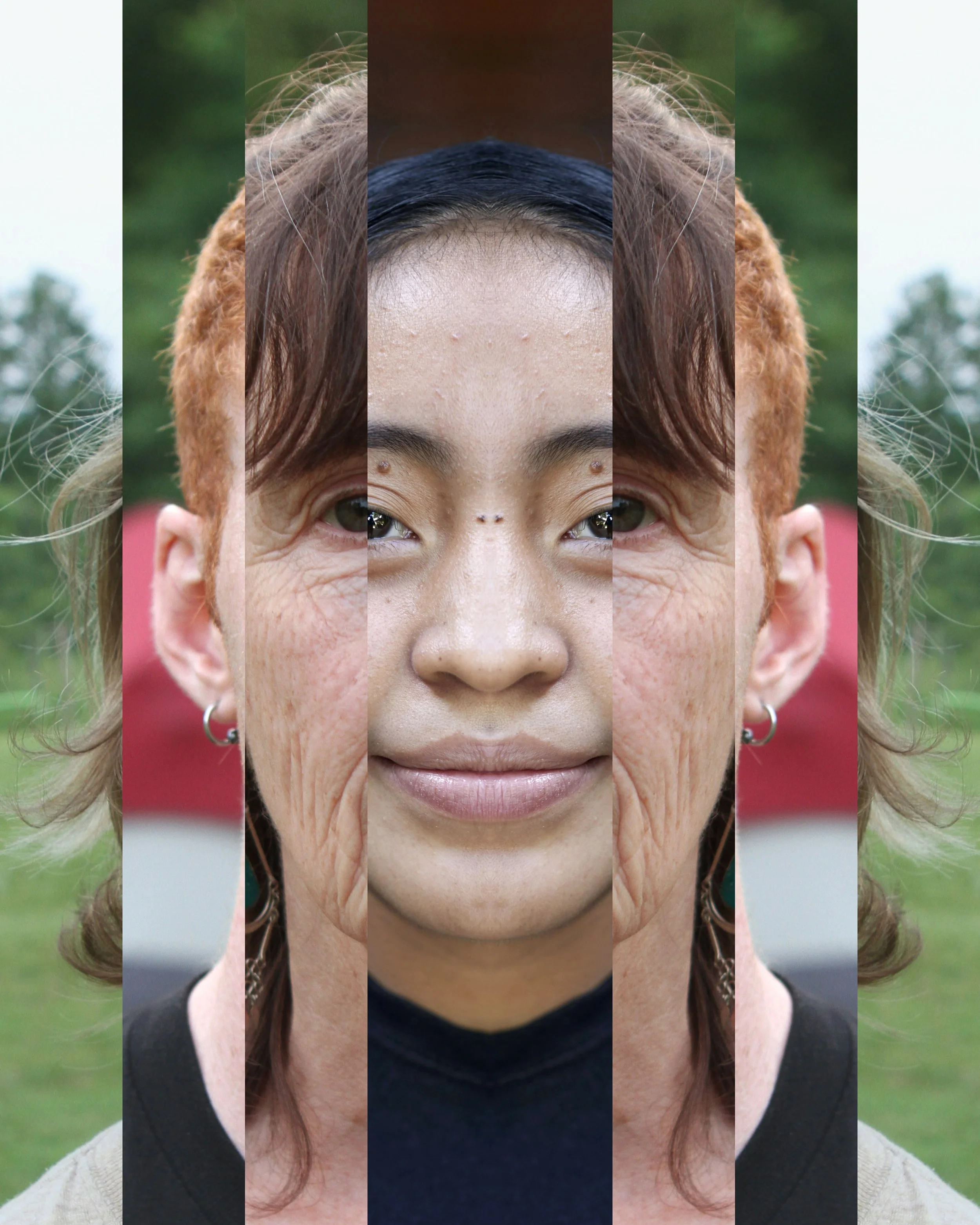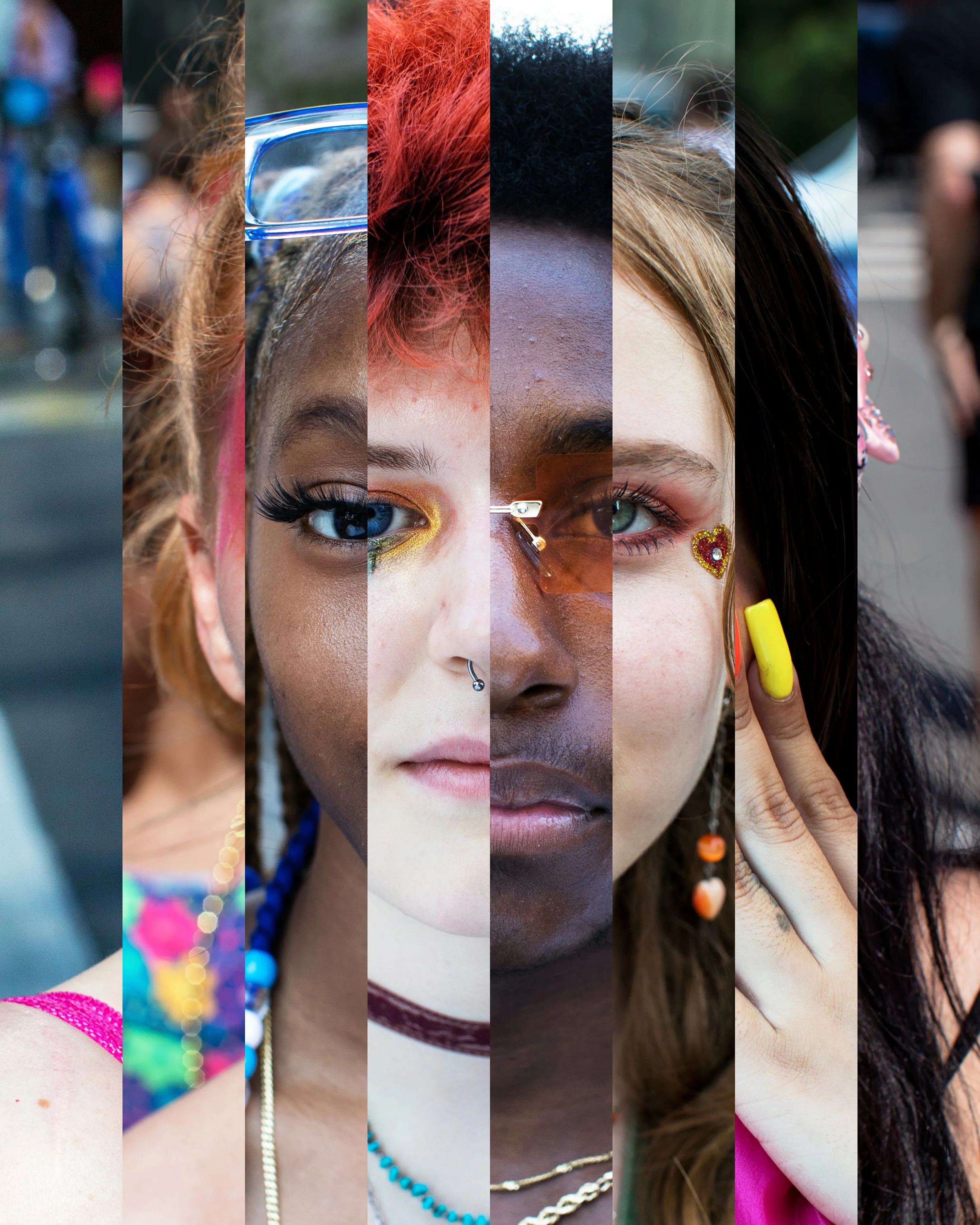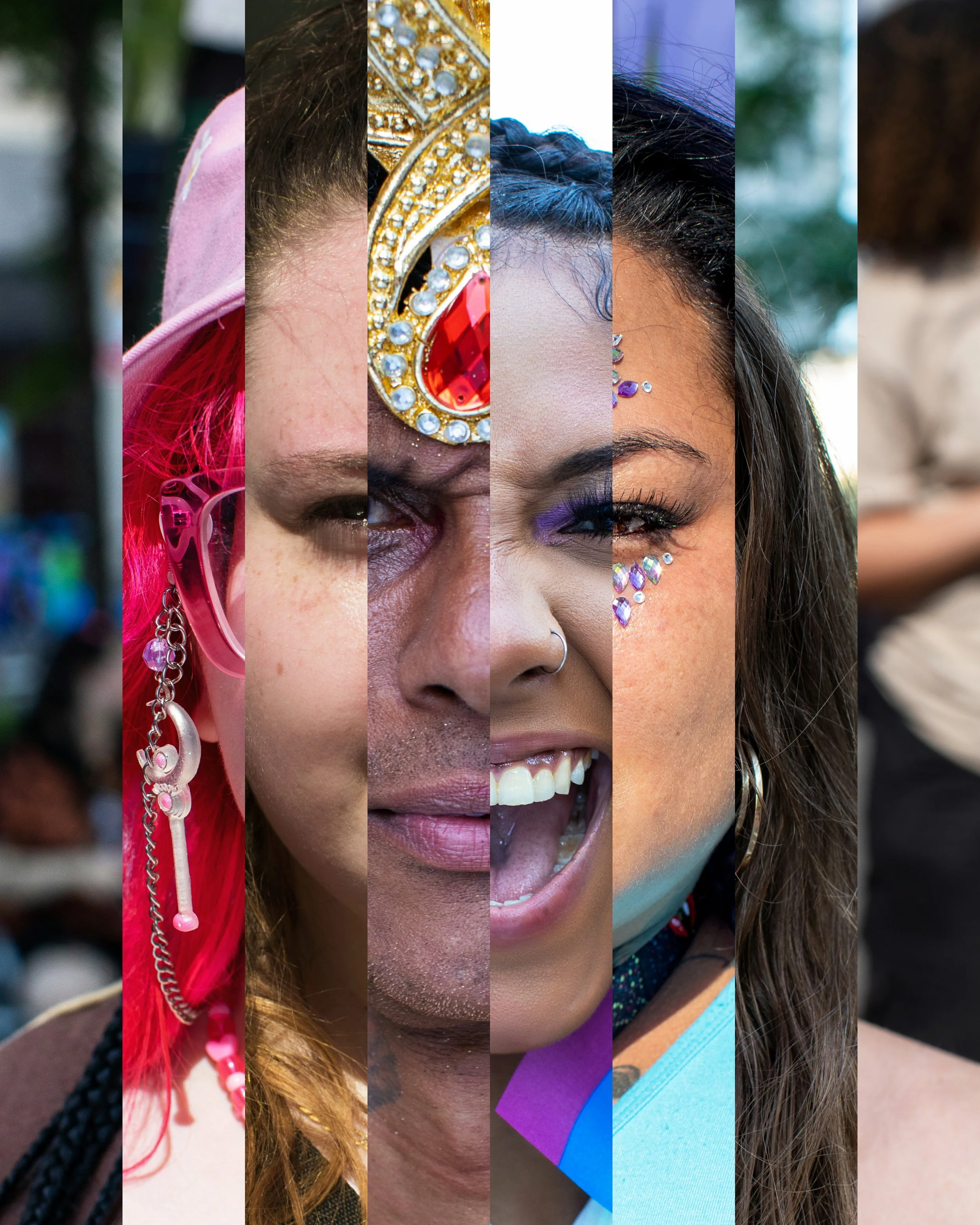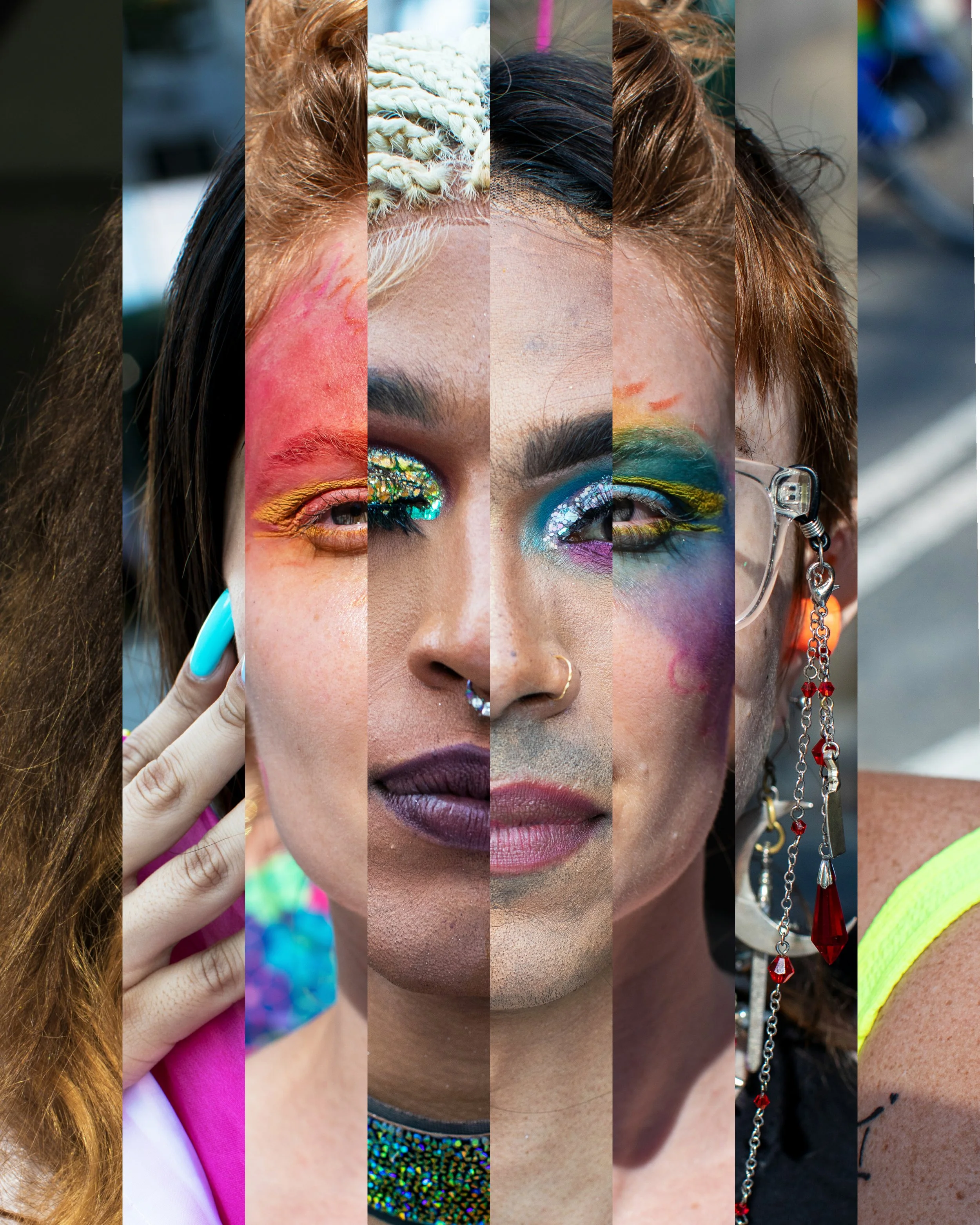
Combinator 5000

The Journey….
For two decades, Jordan Kleinman has used photography to ask a simple question: how do we form our sense of who we are?
His early portraits resisted easy answers. Rather than telling viewers what to see, they left room for interpretation — showing how much of what we "see" in a face is shaped by our own history, not just the person in front of us.
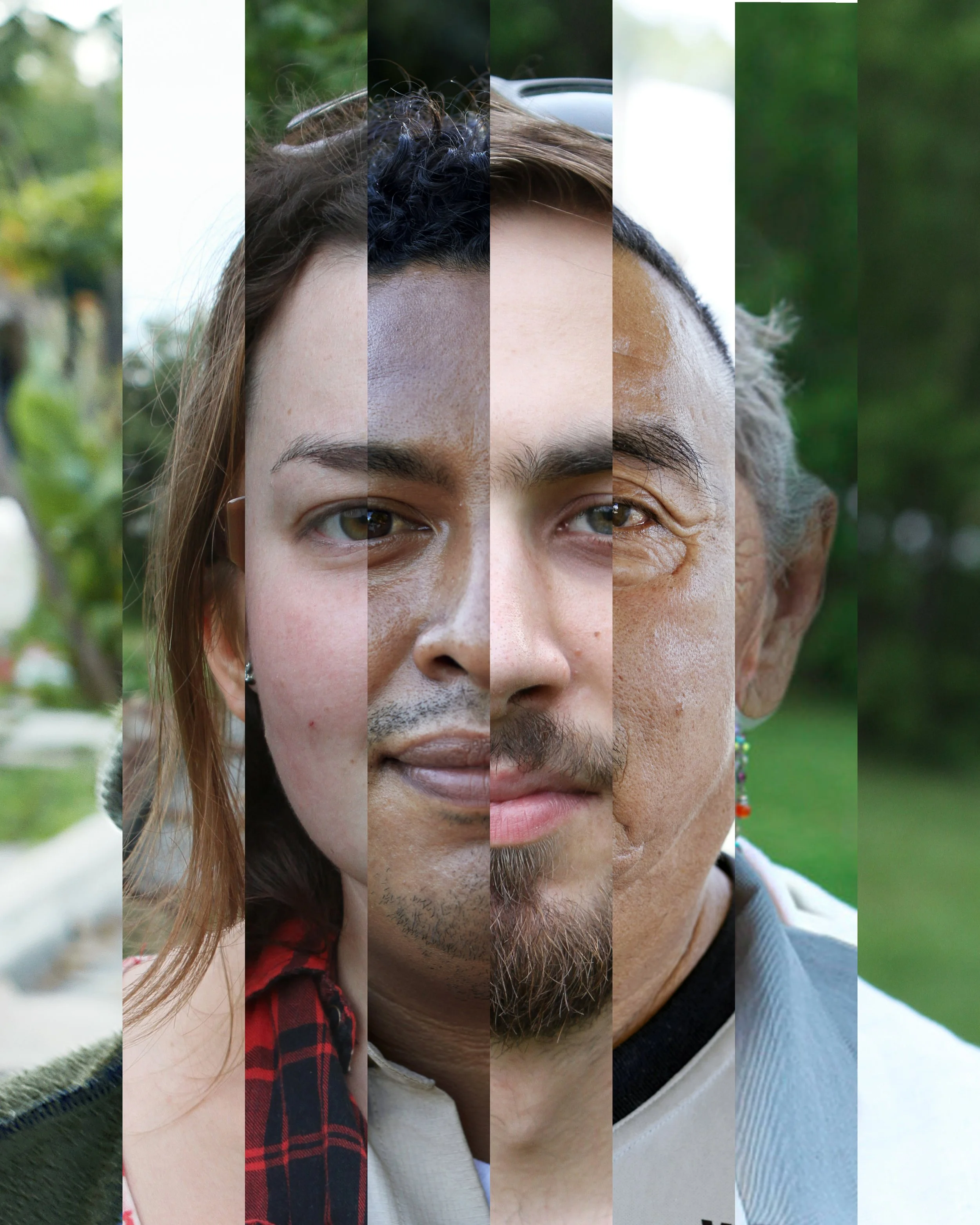
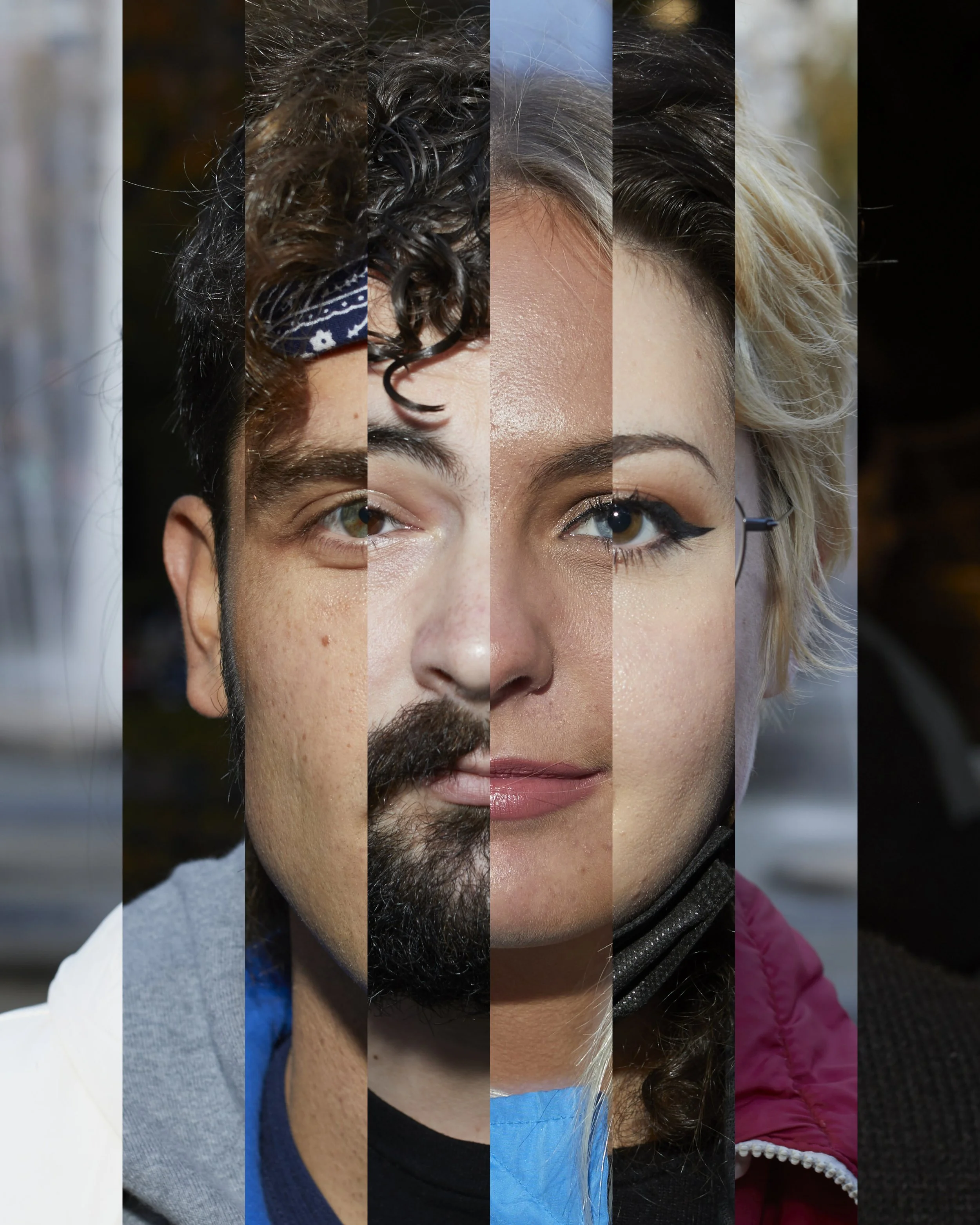
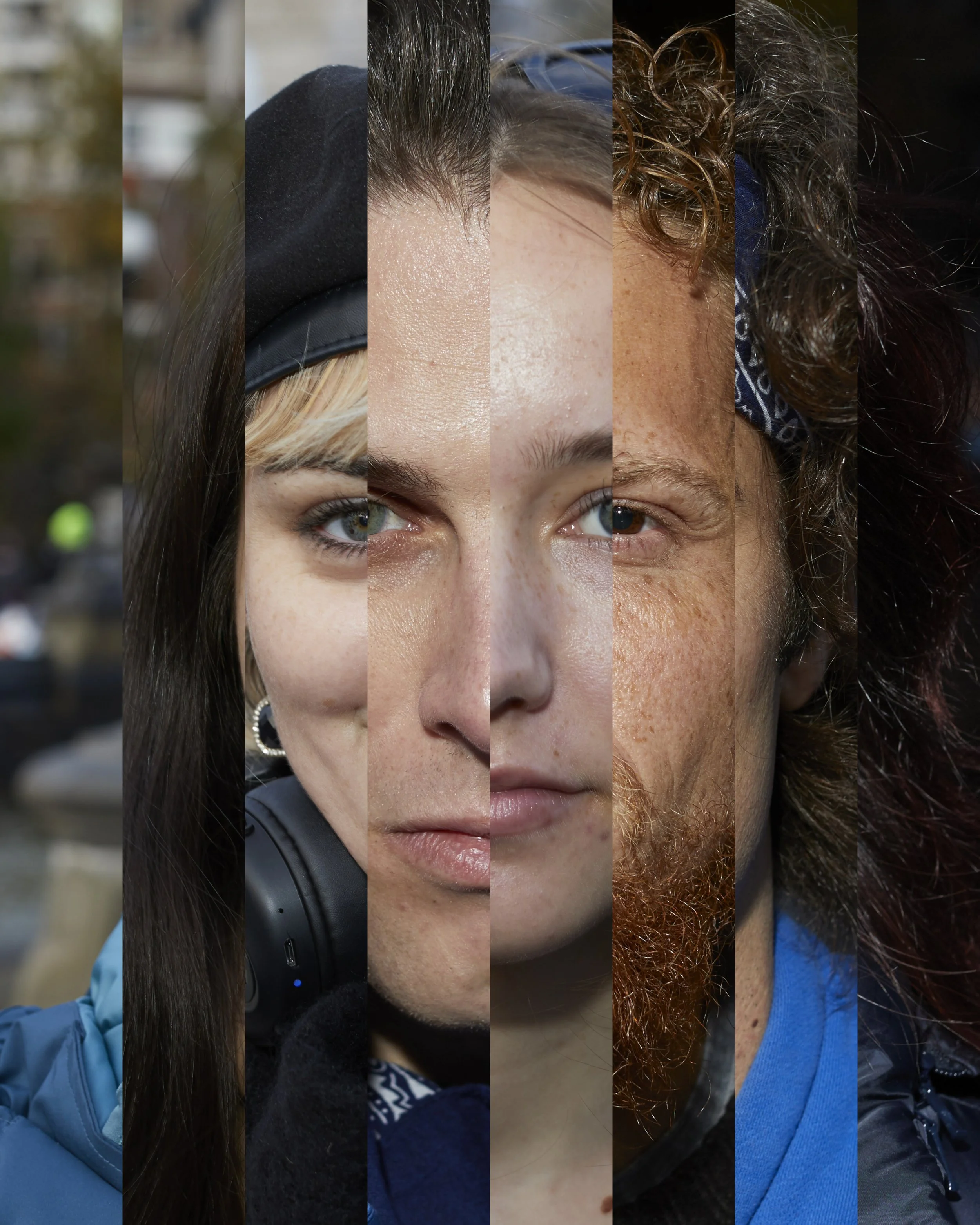
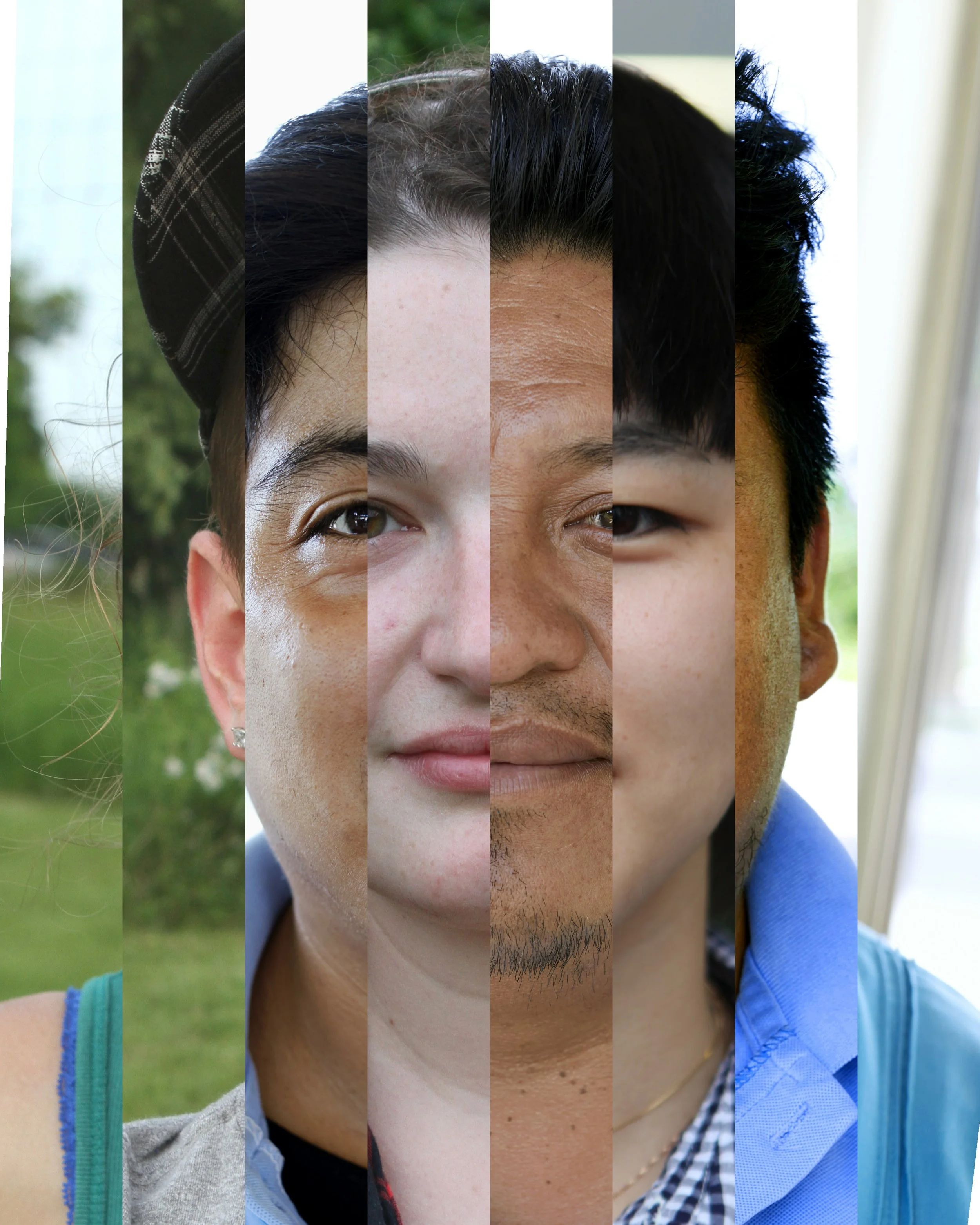
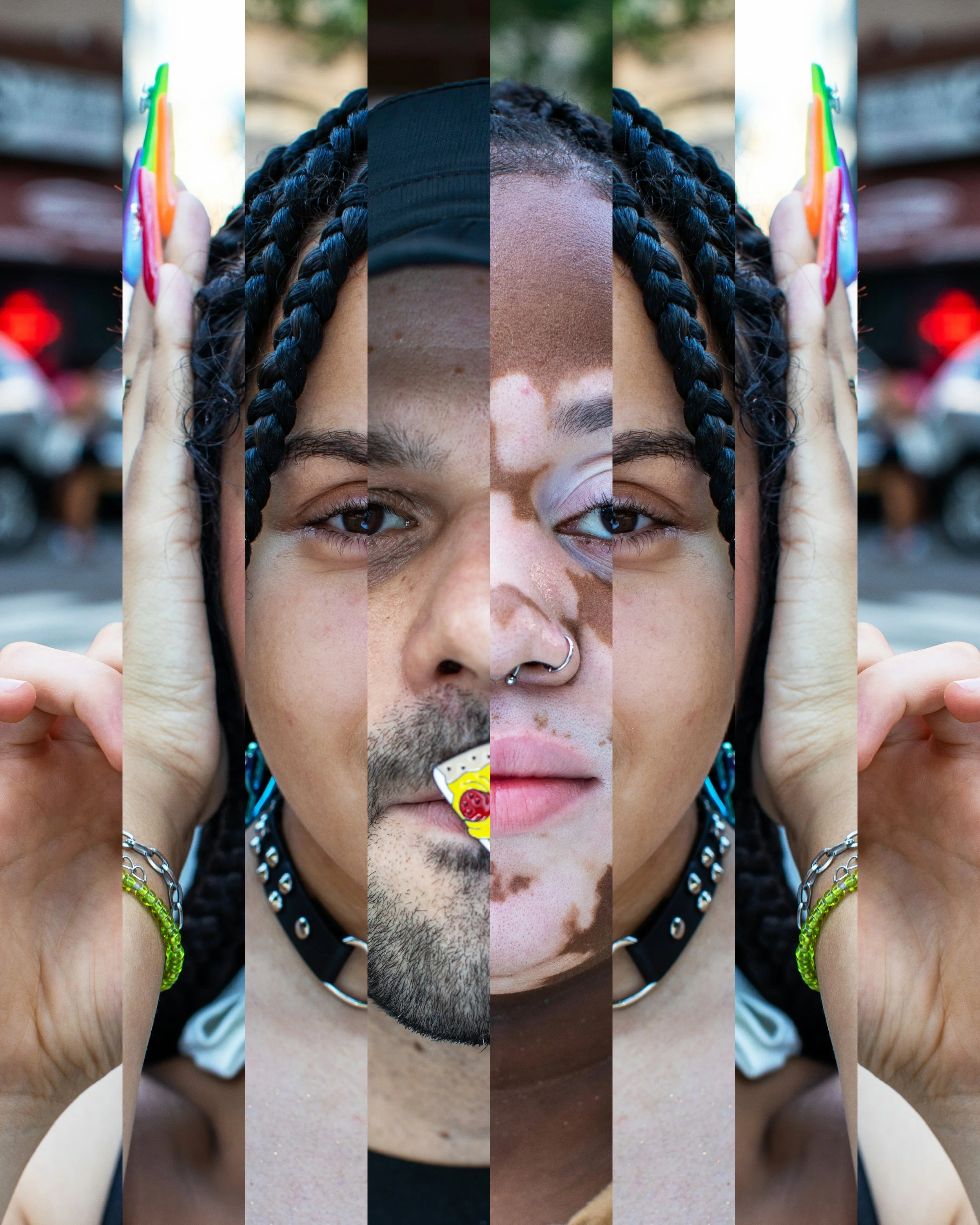
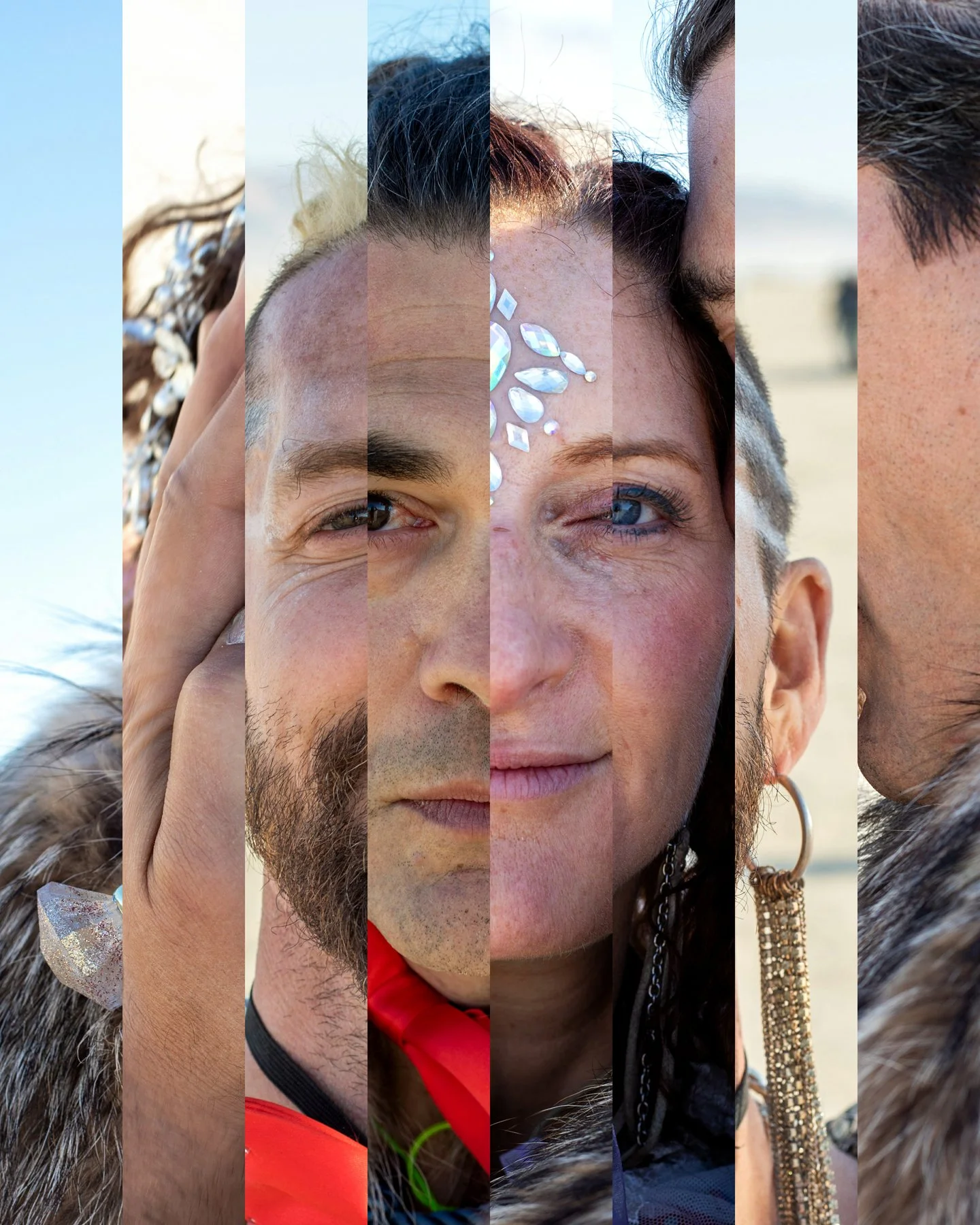
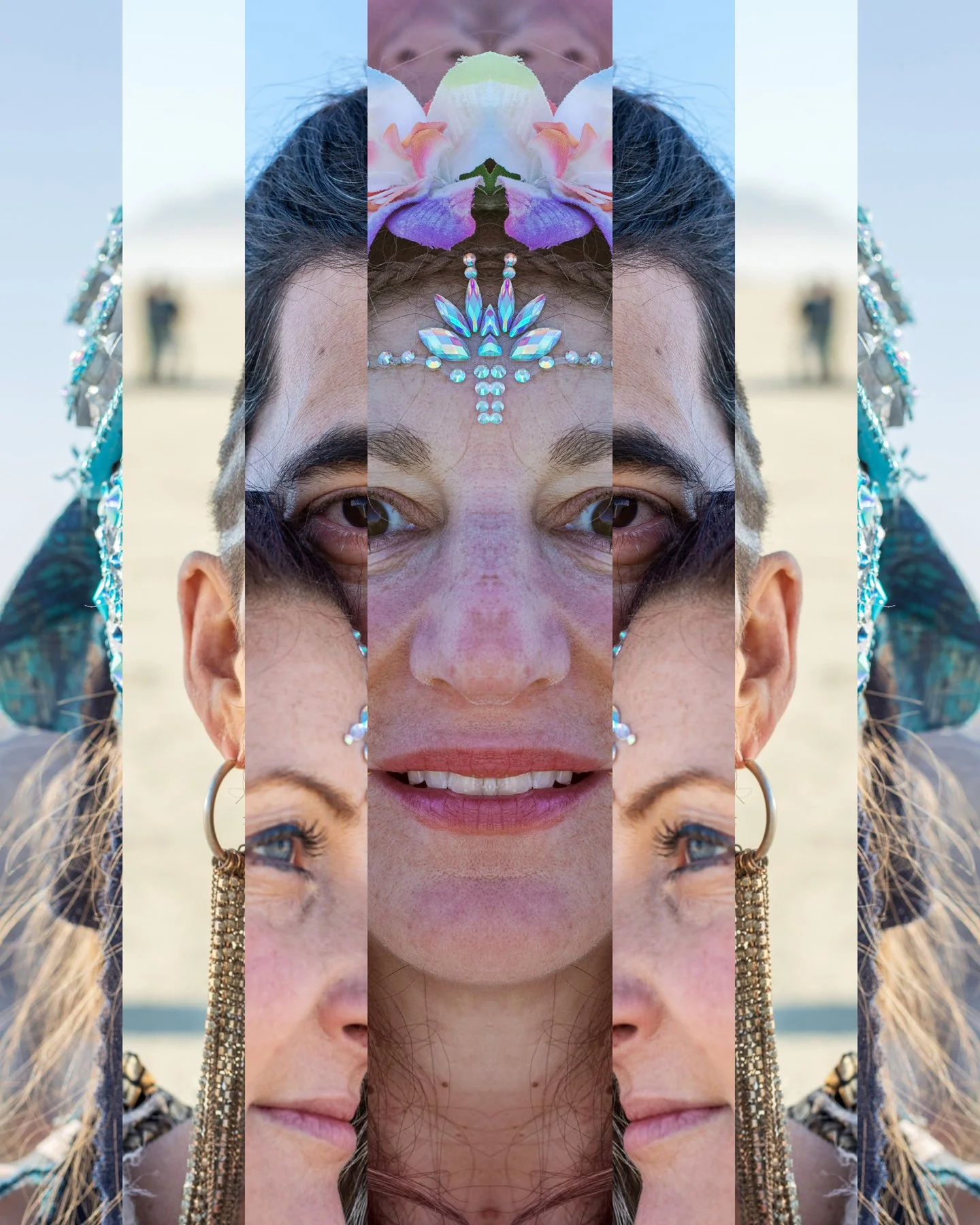
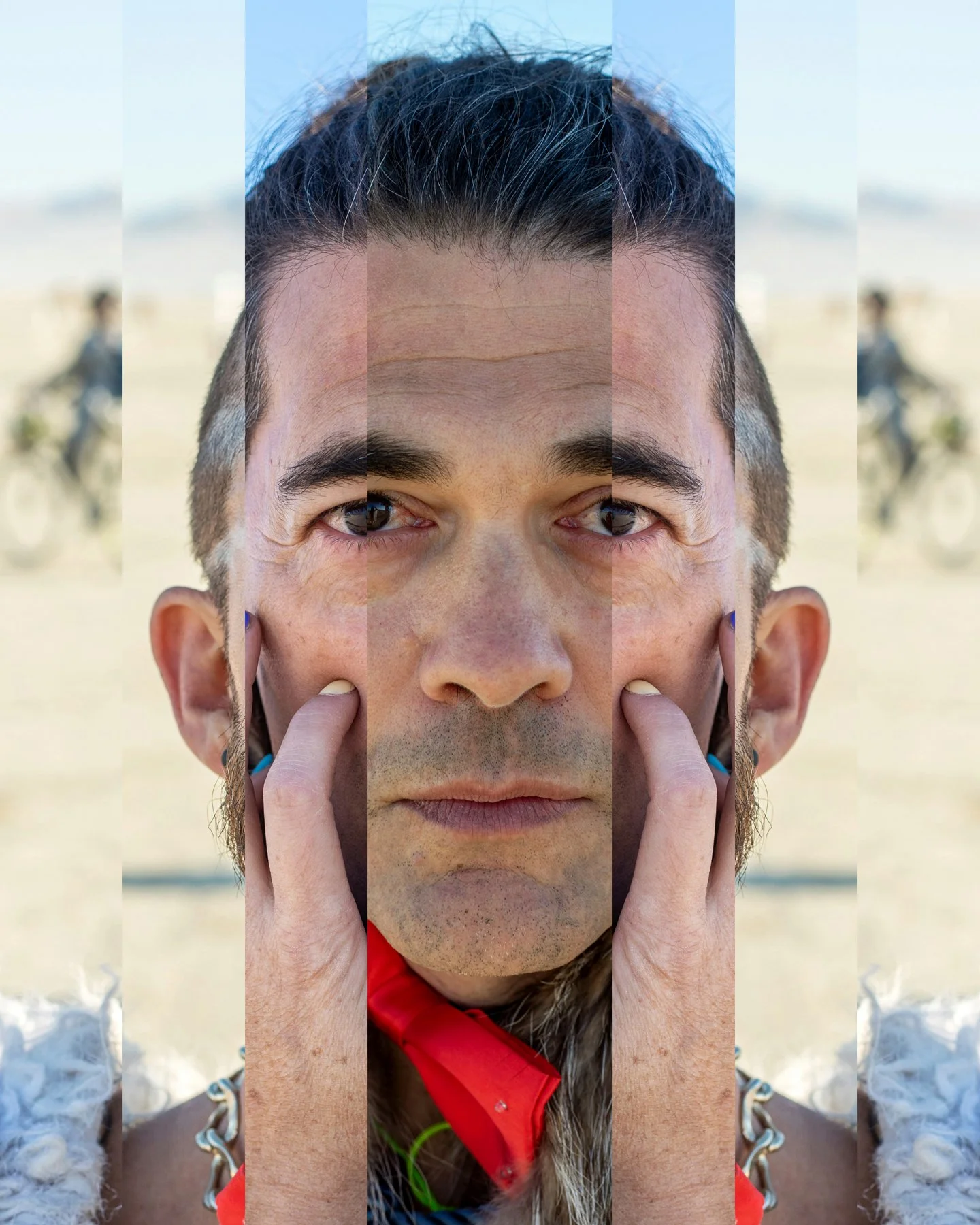
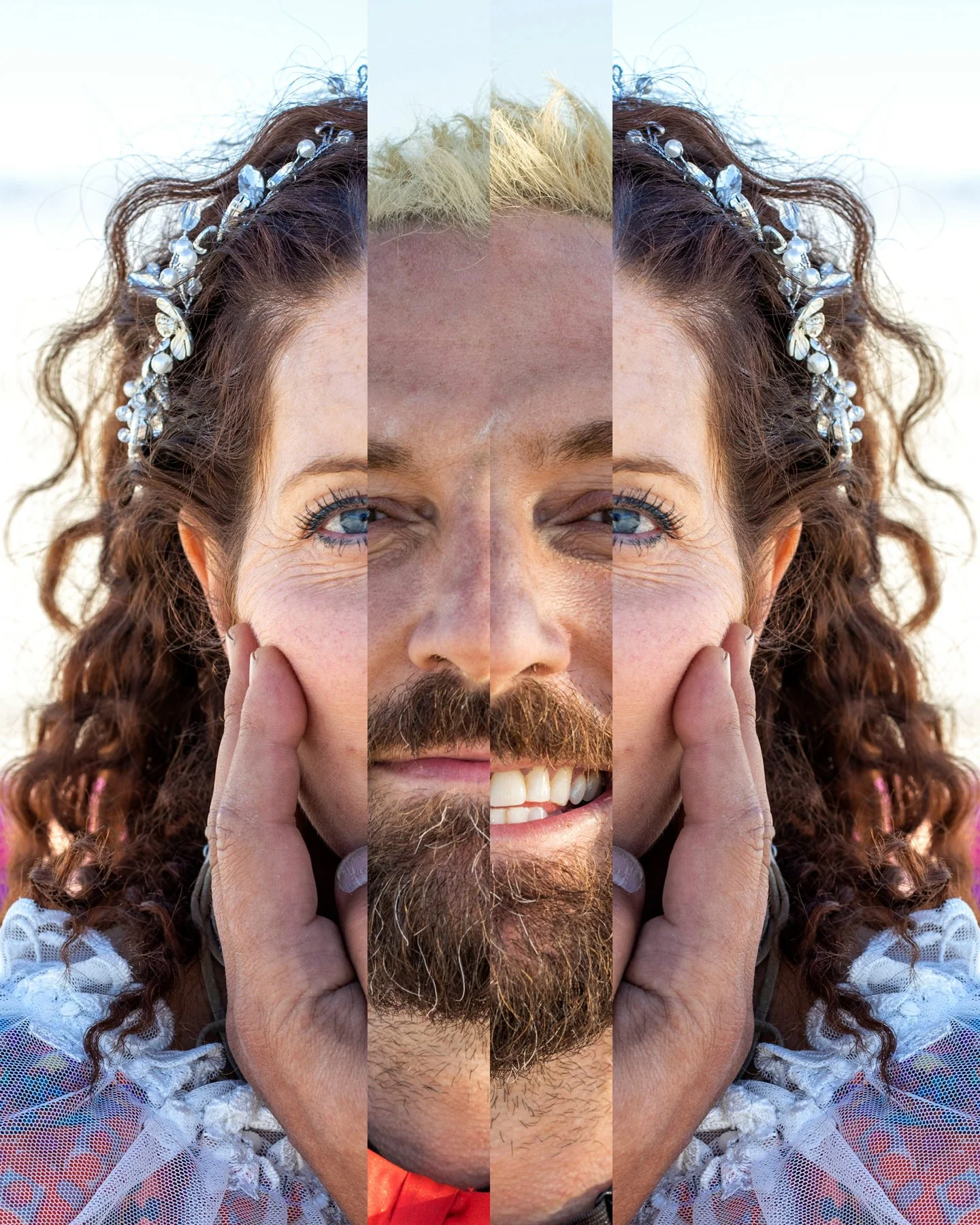
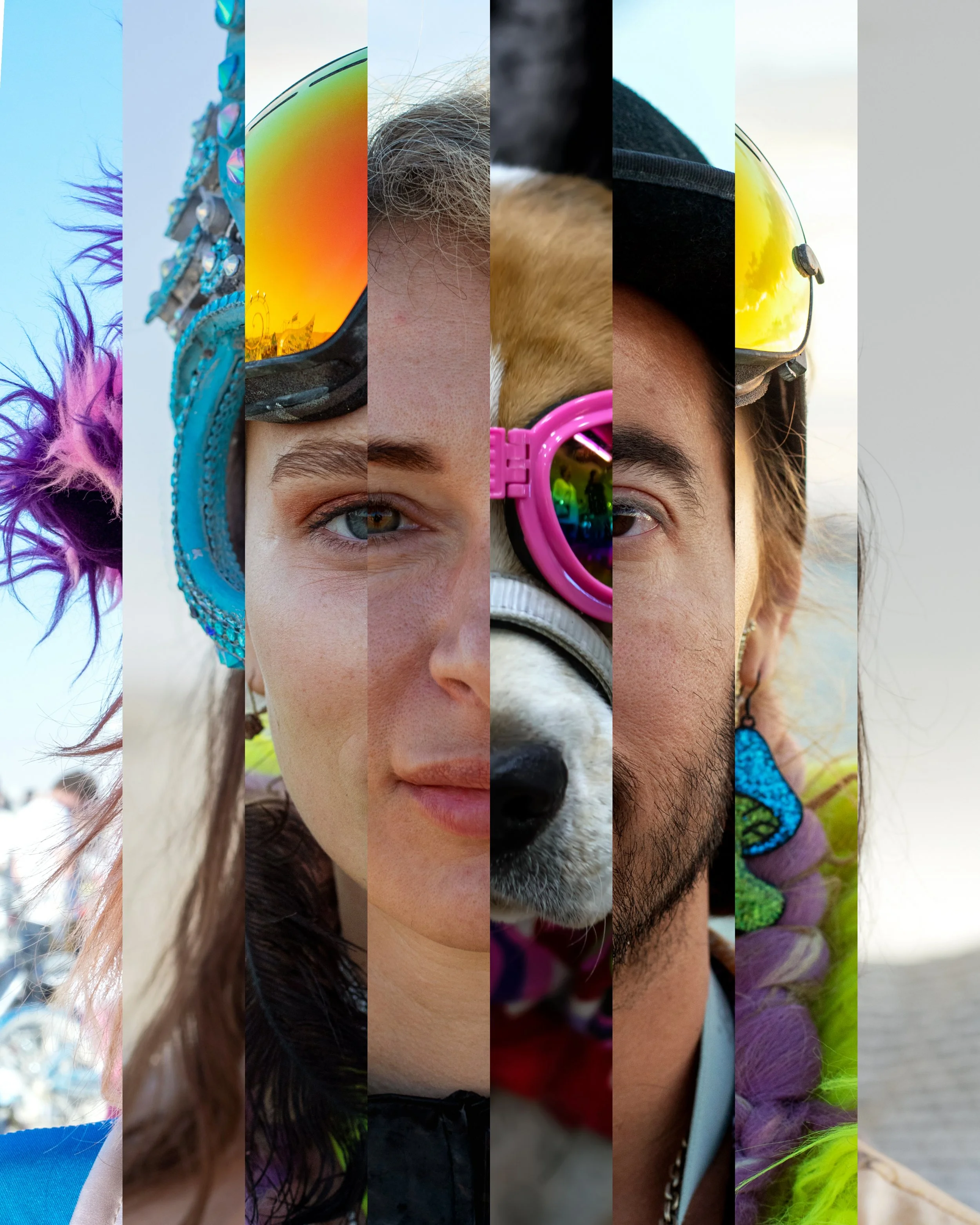
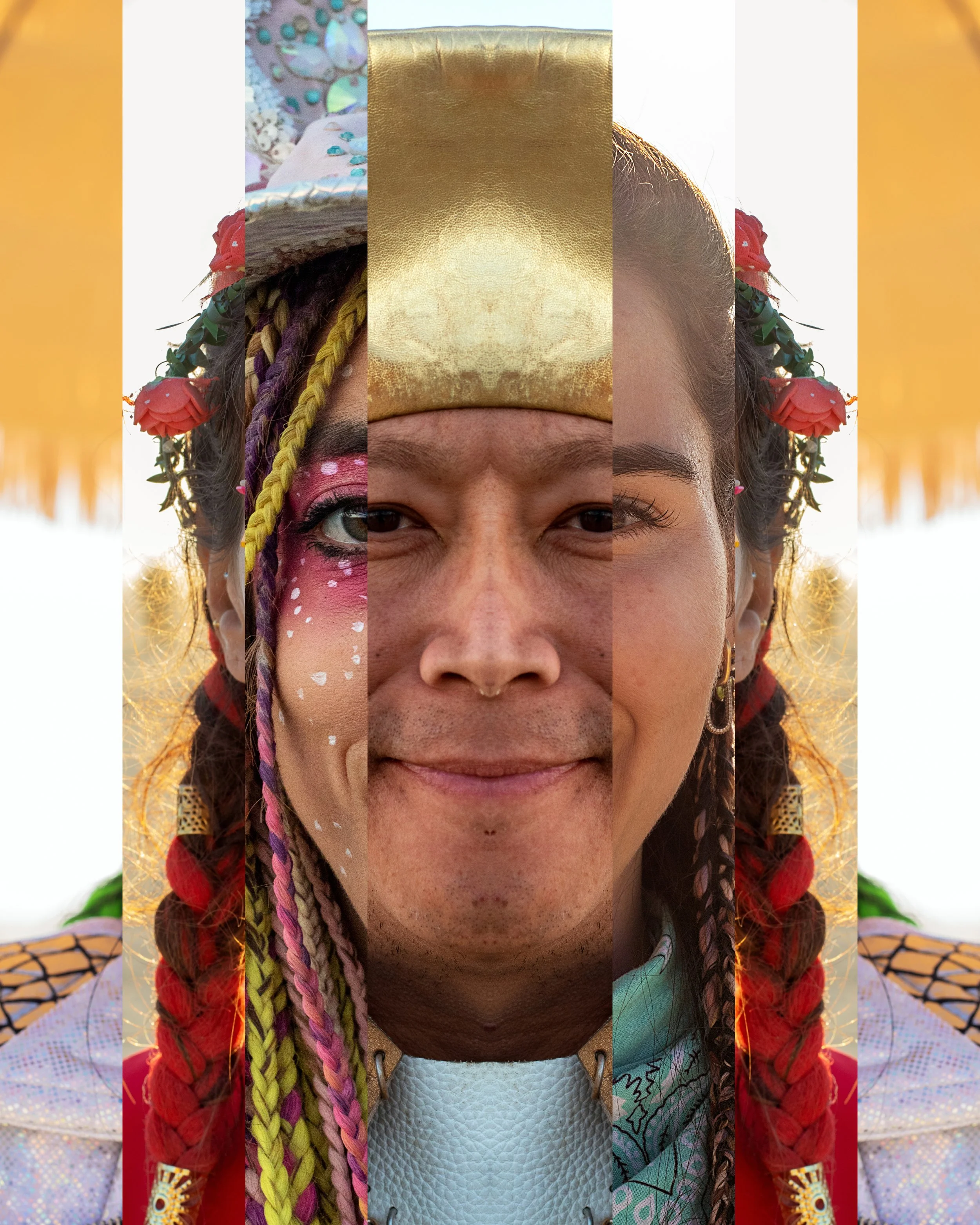
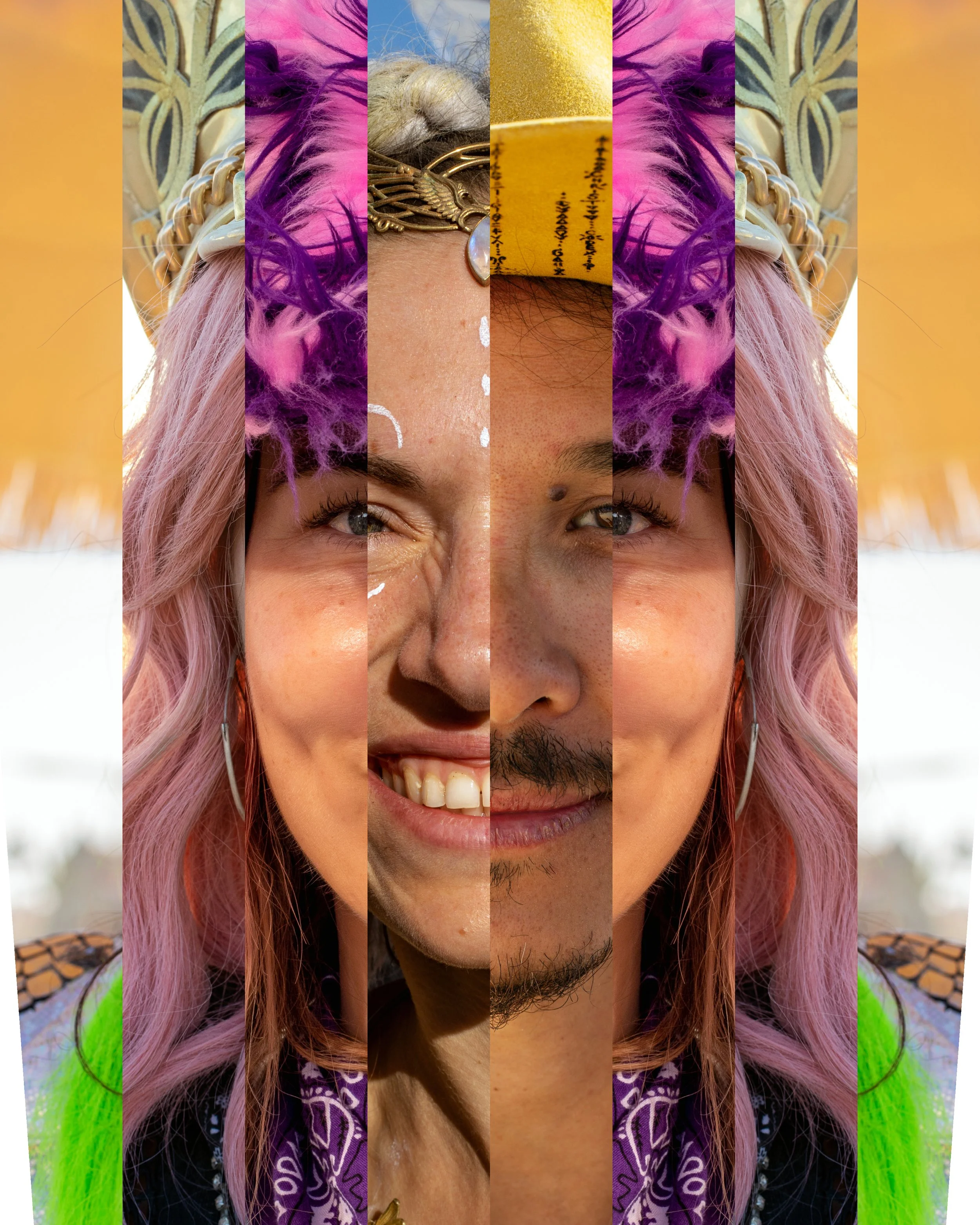
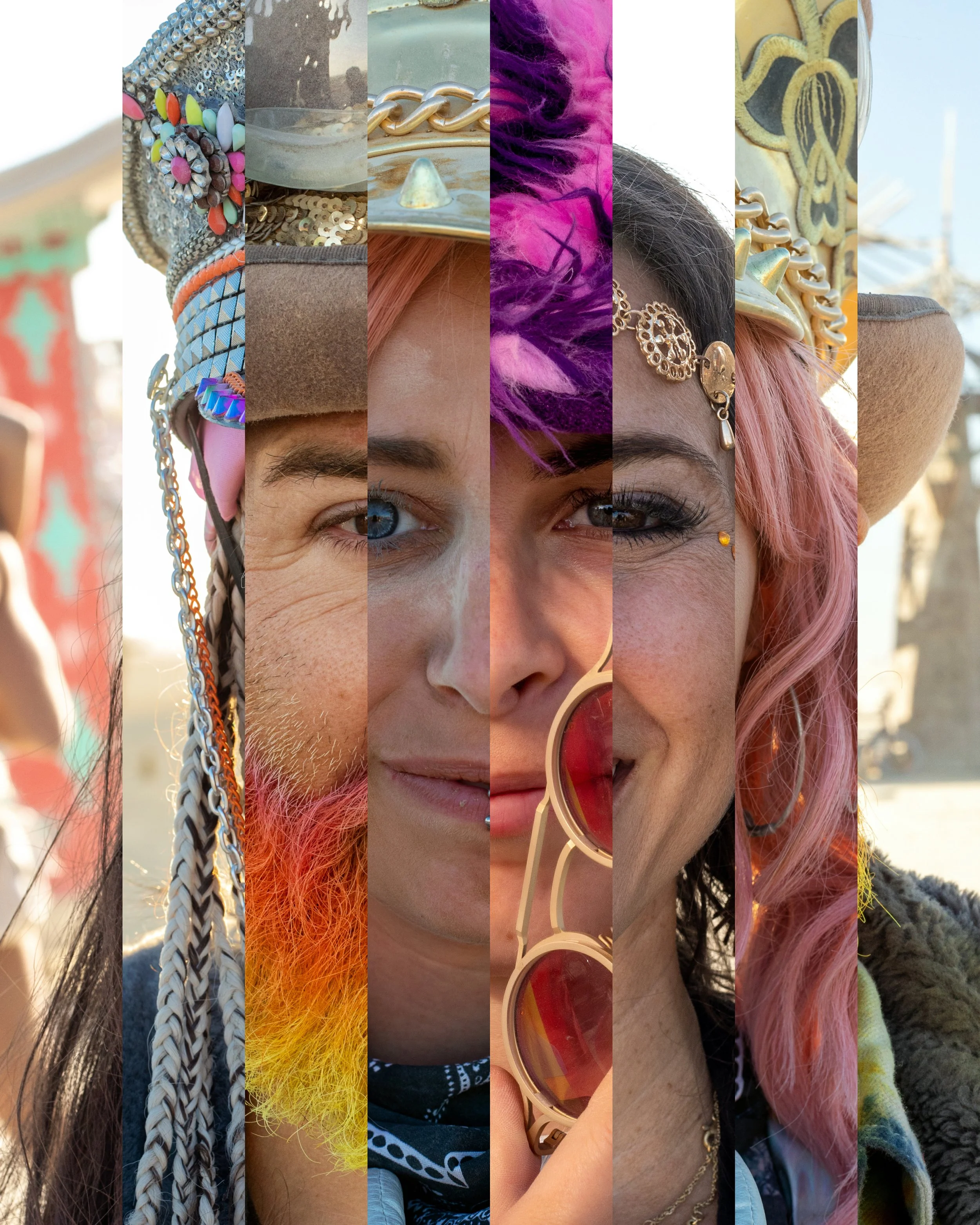
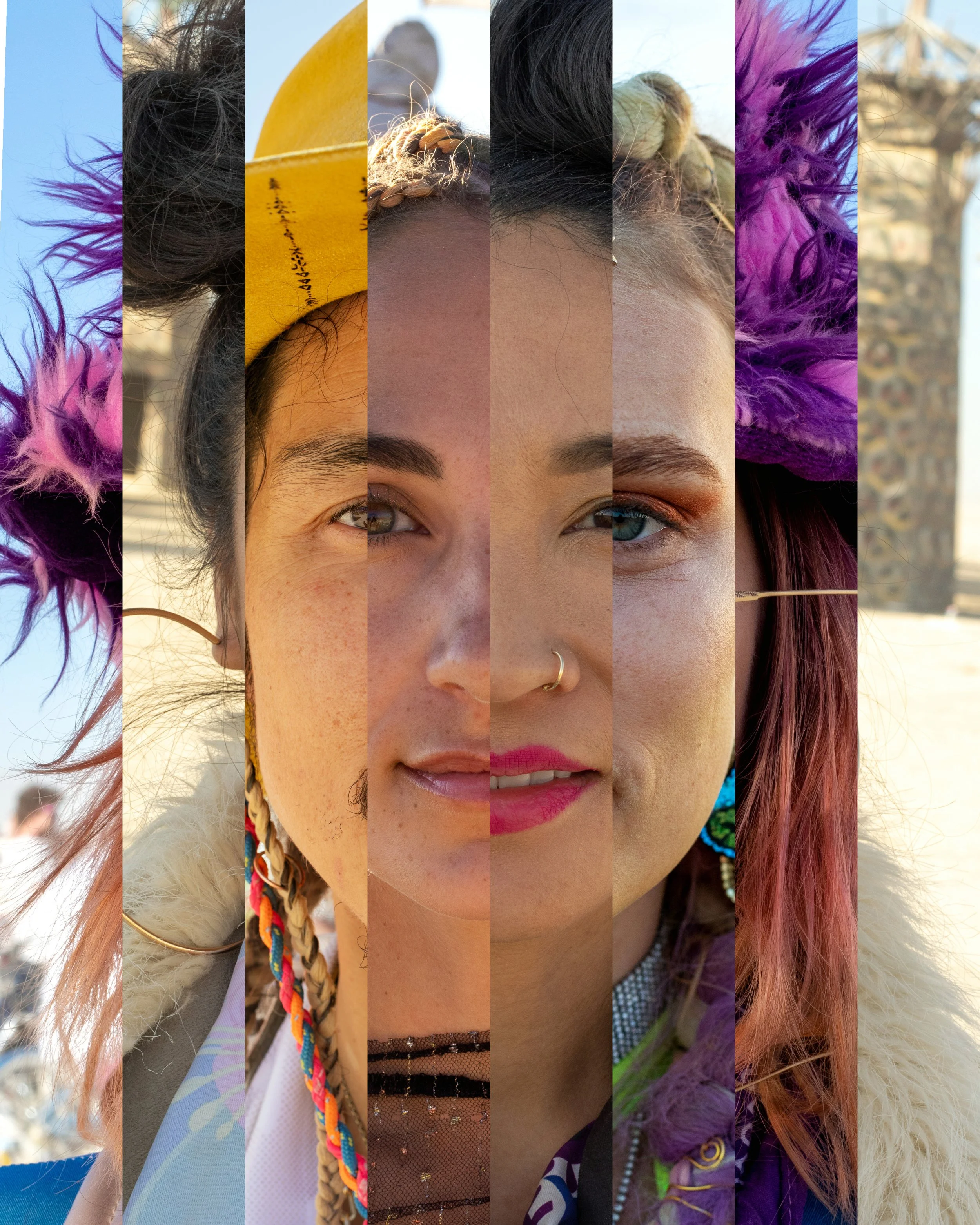
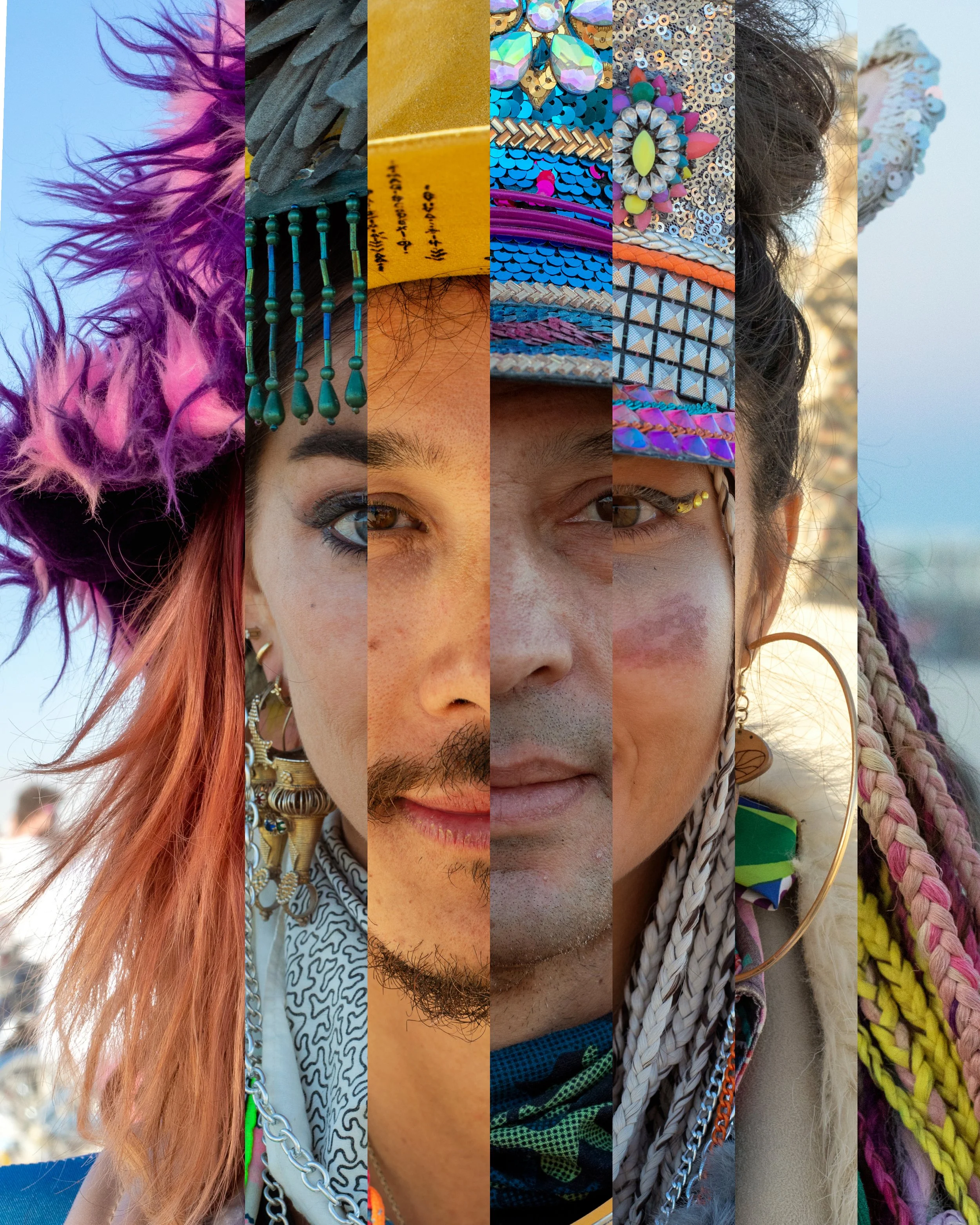
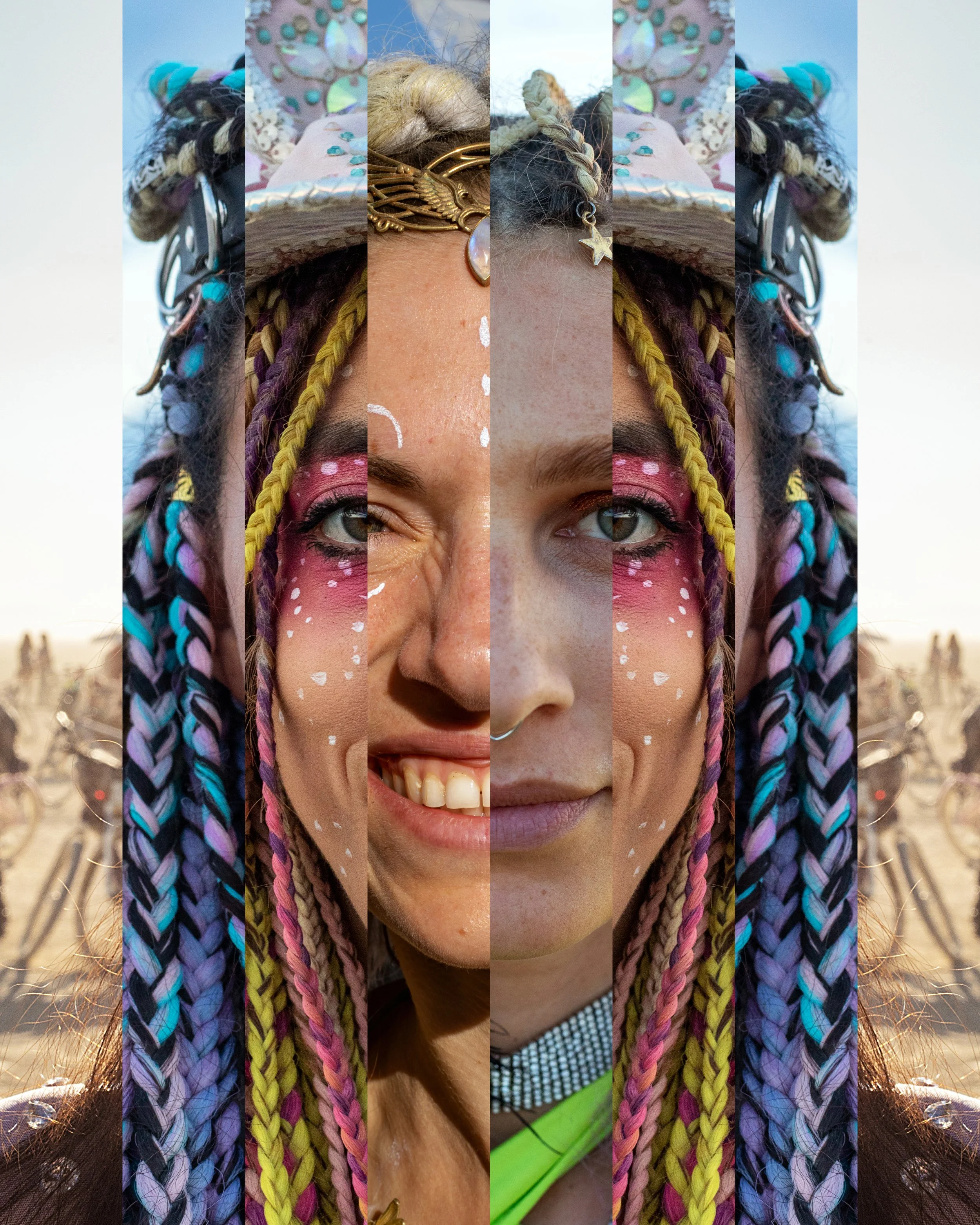
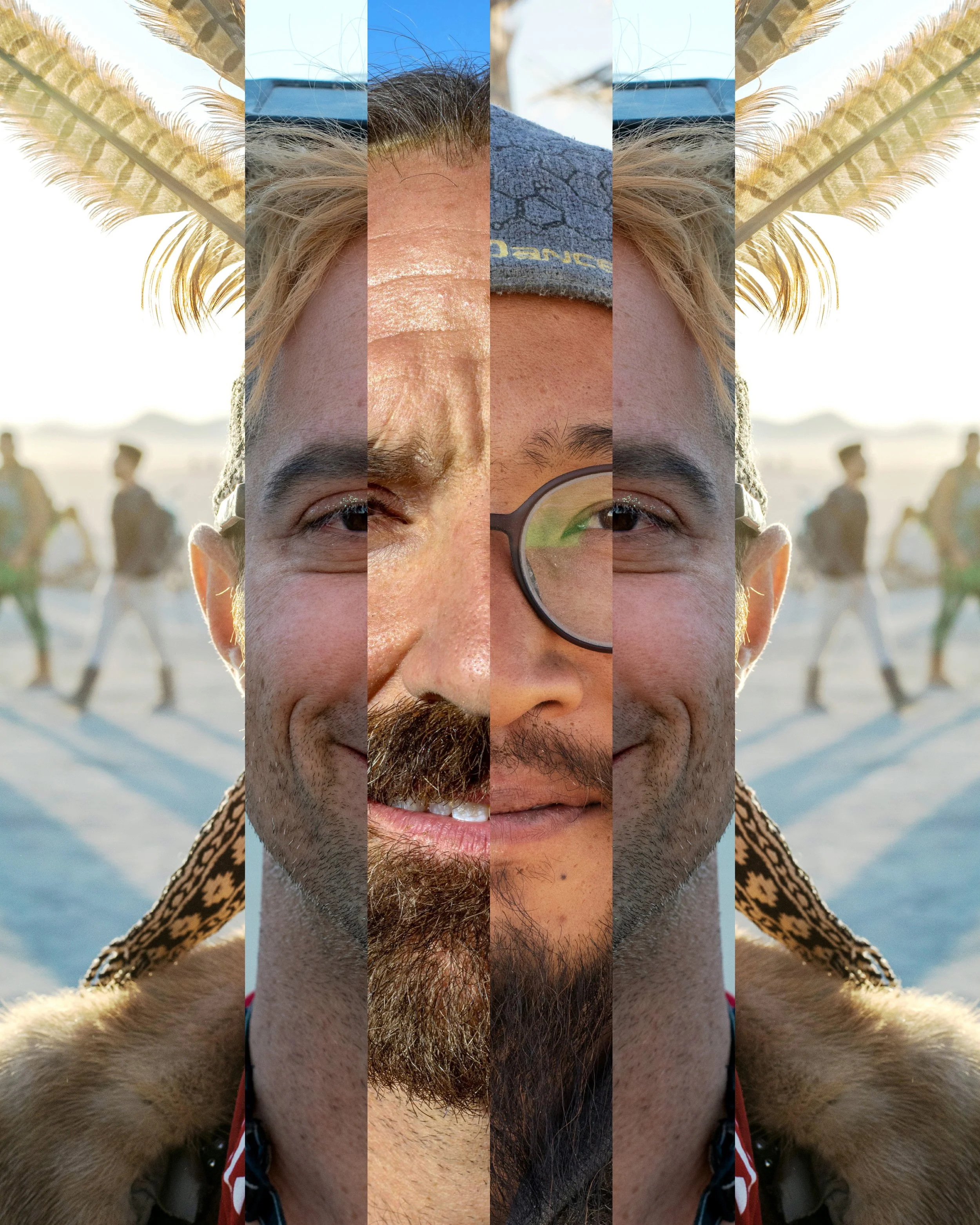
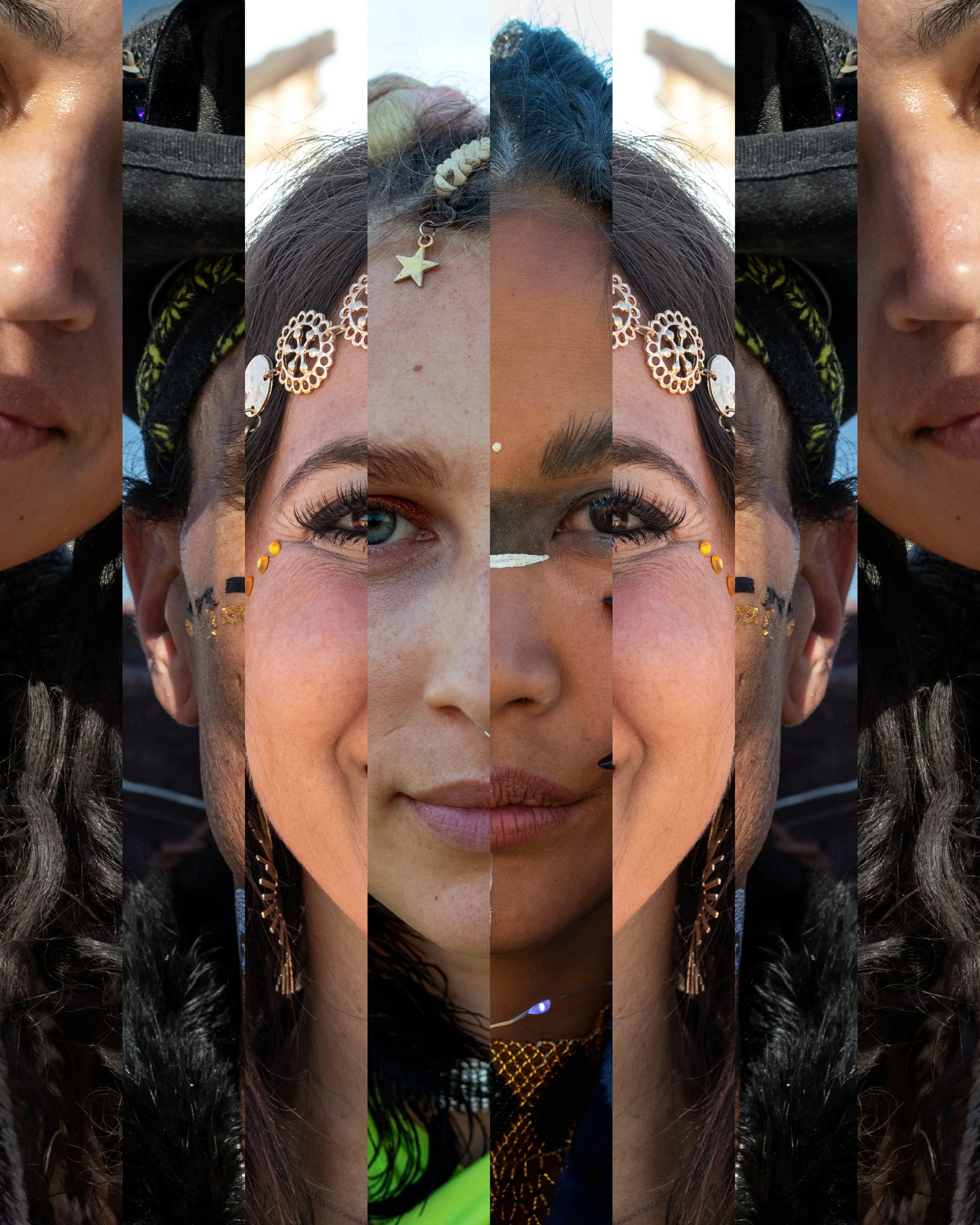
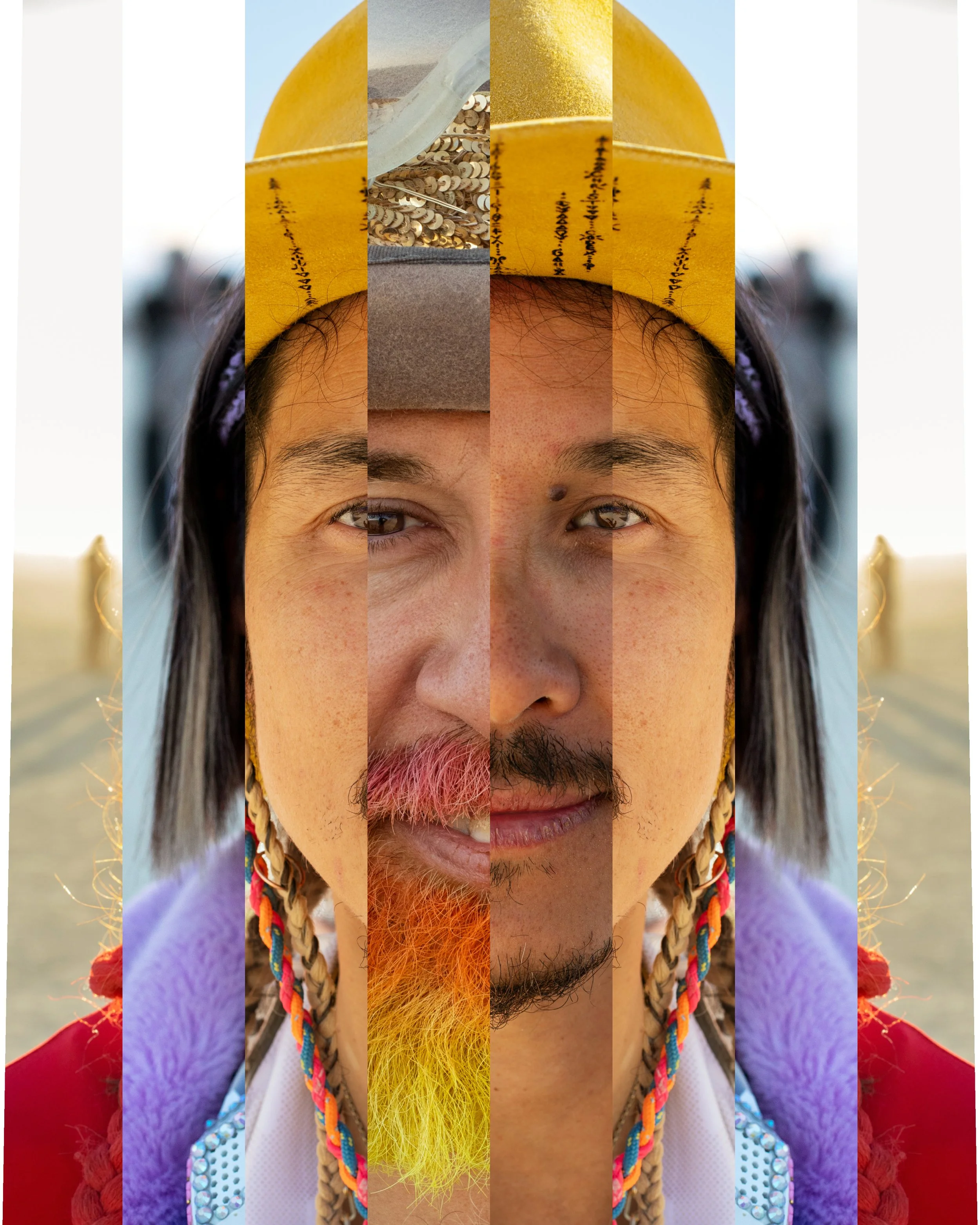
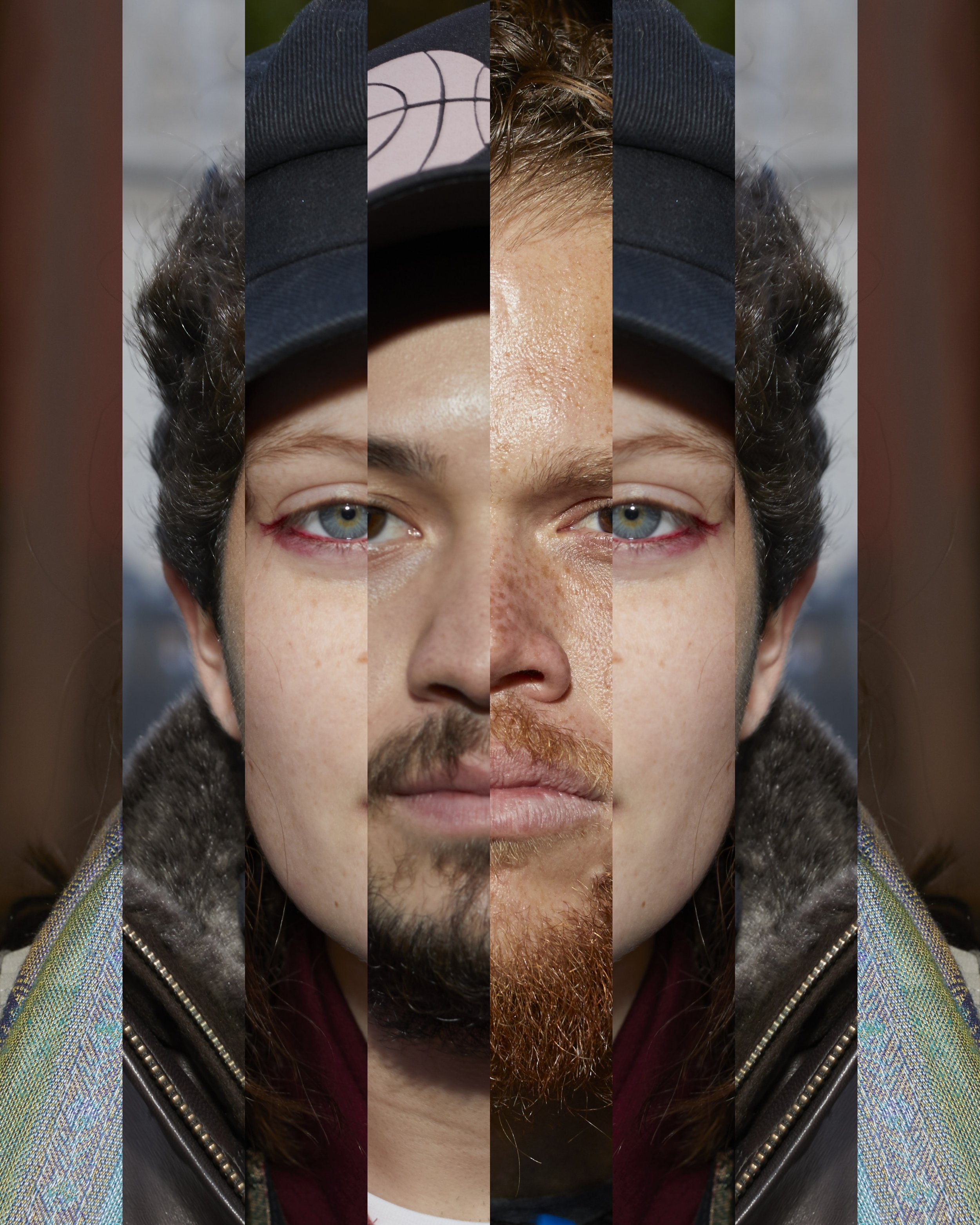
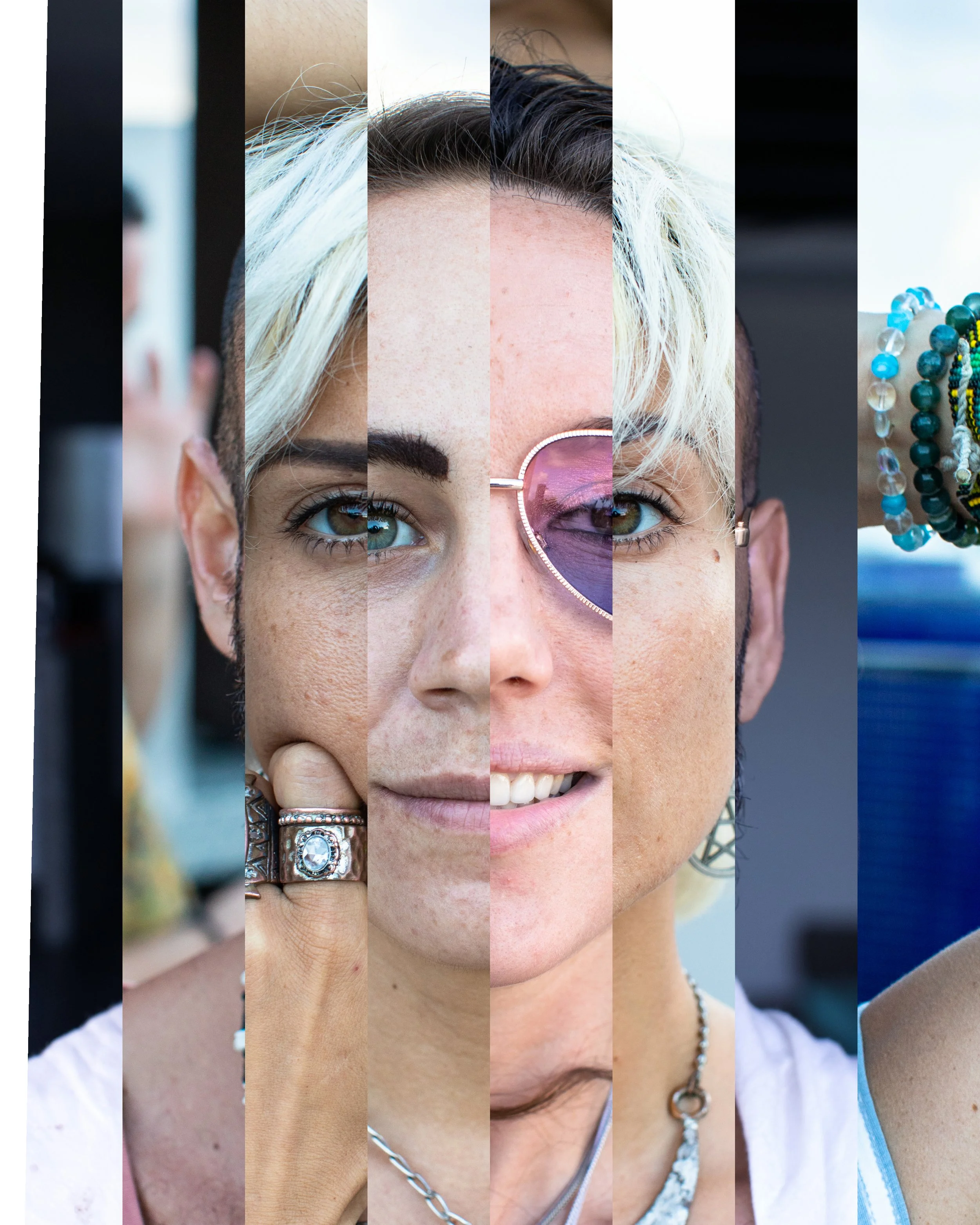
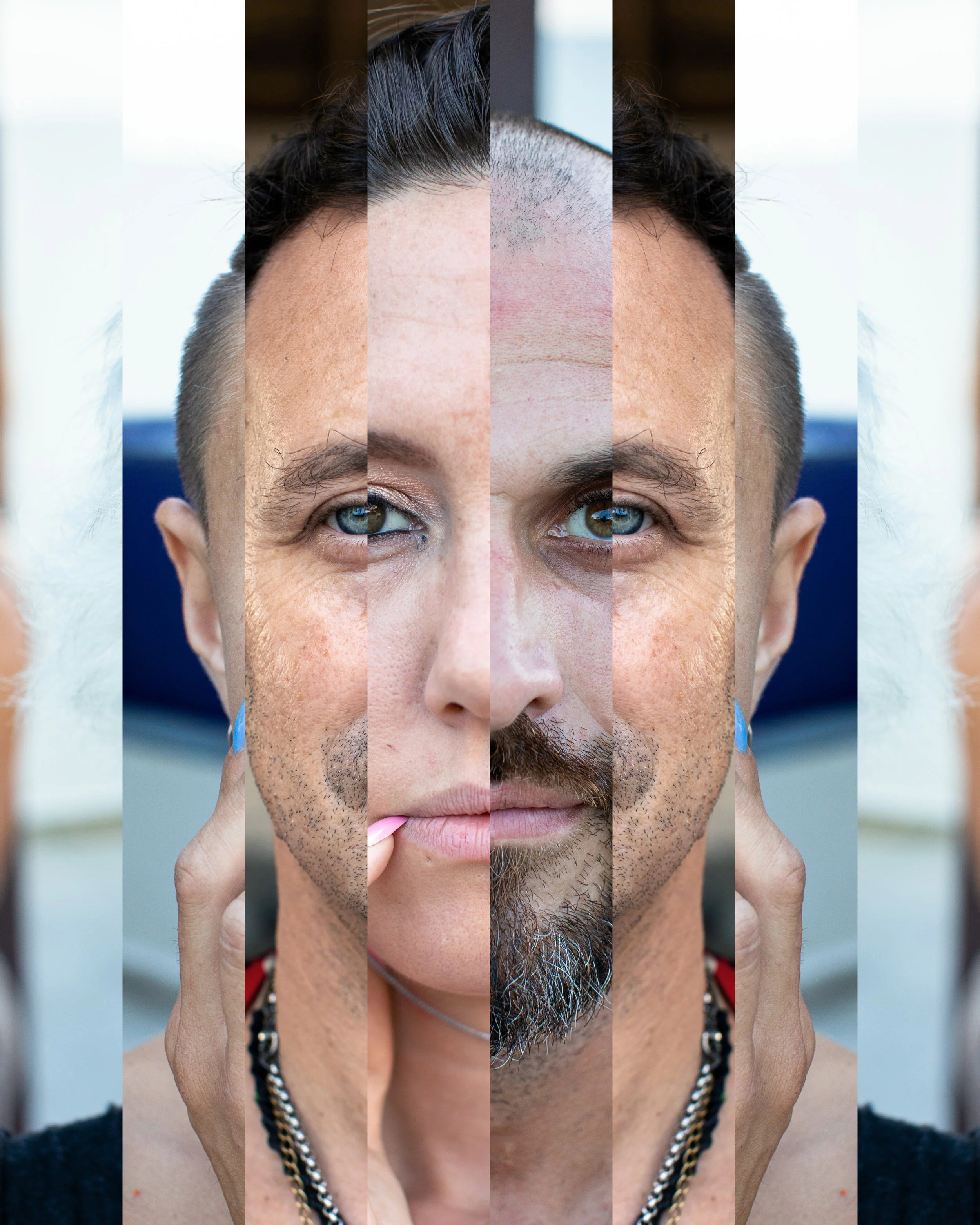
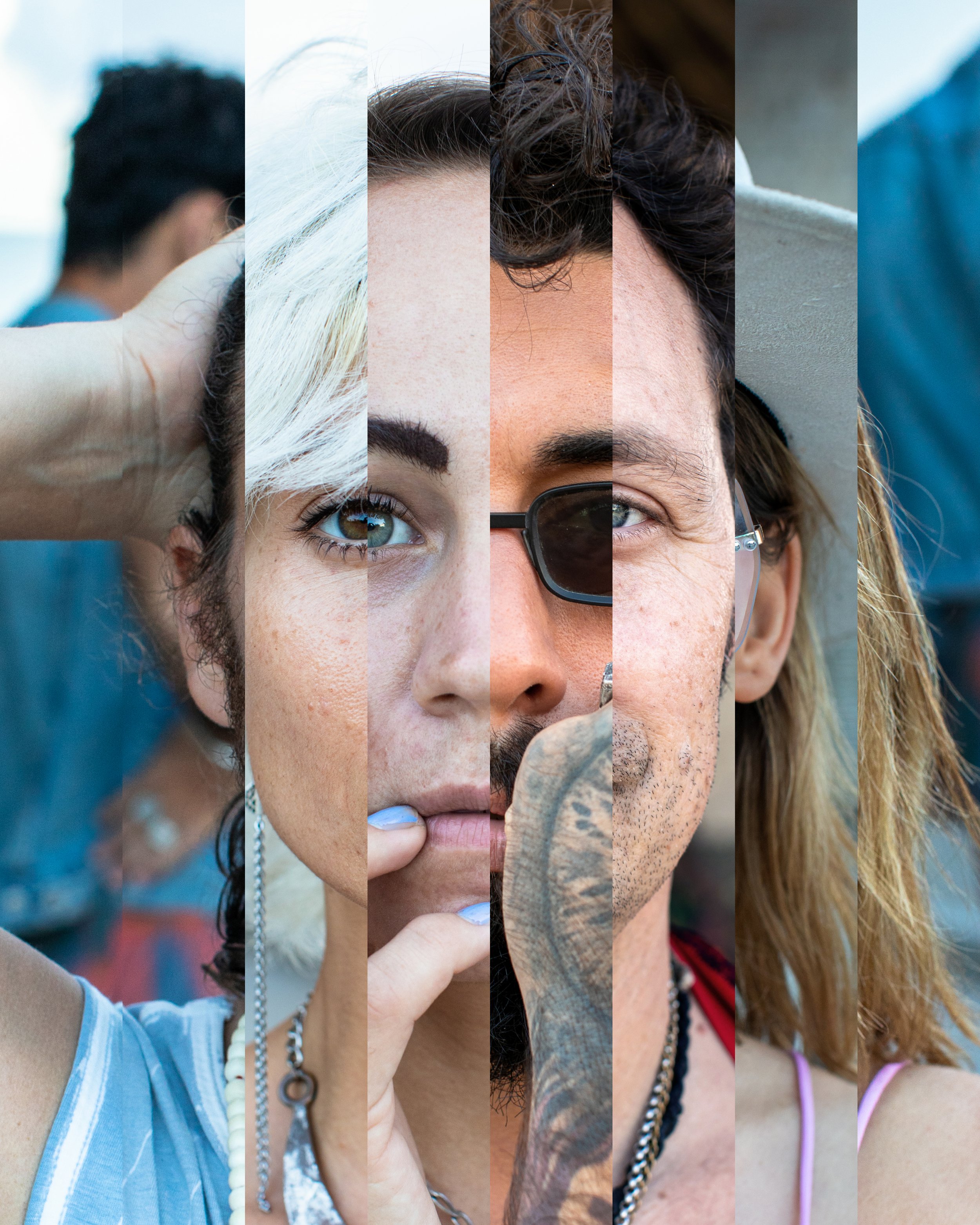
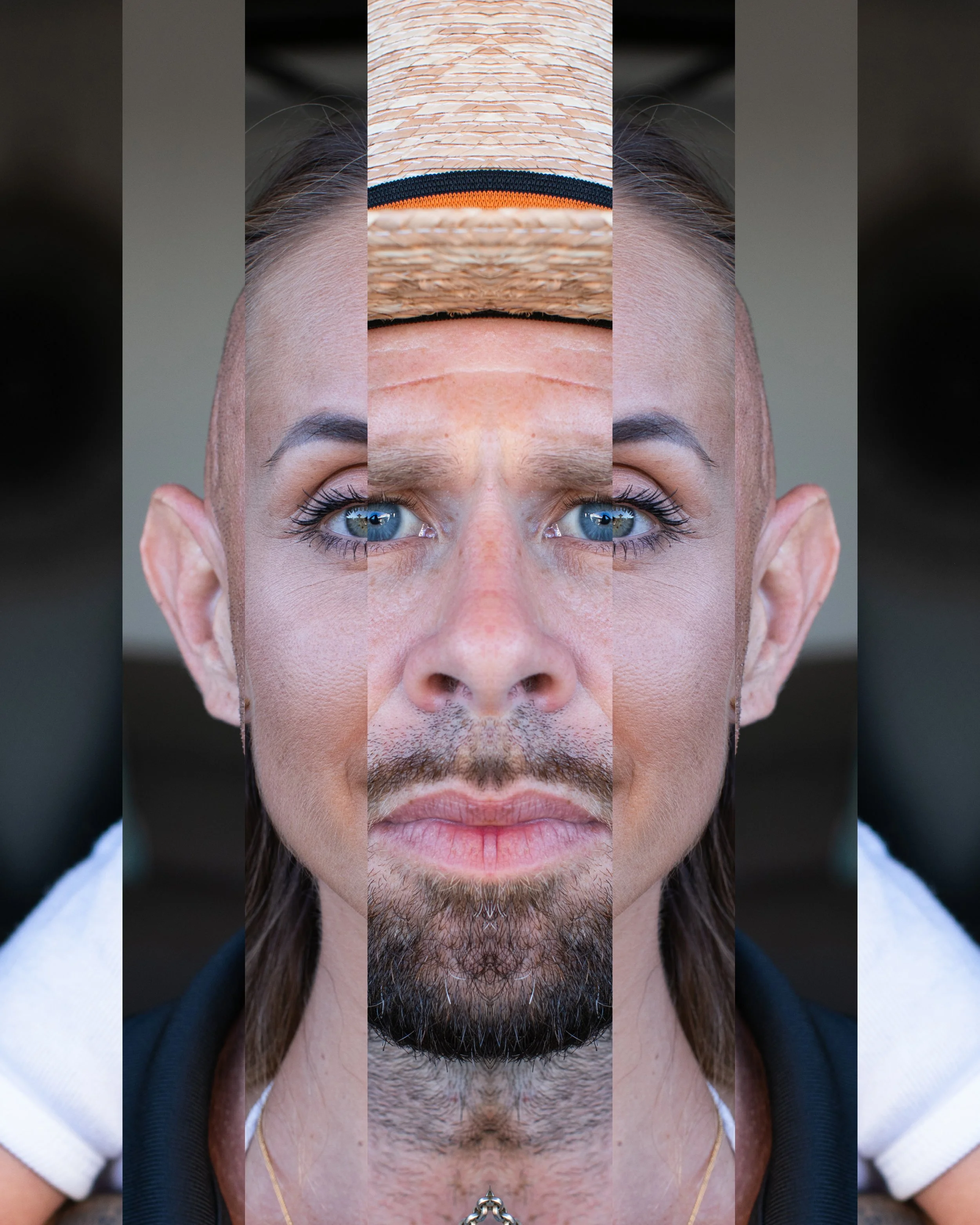
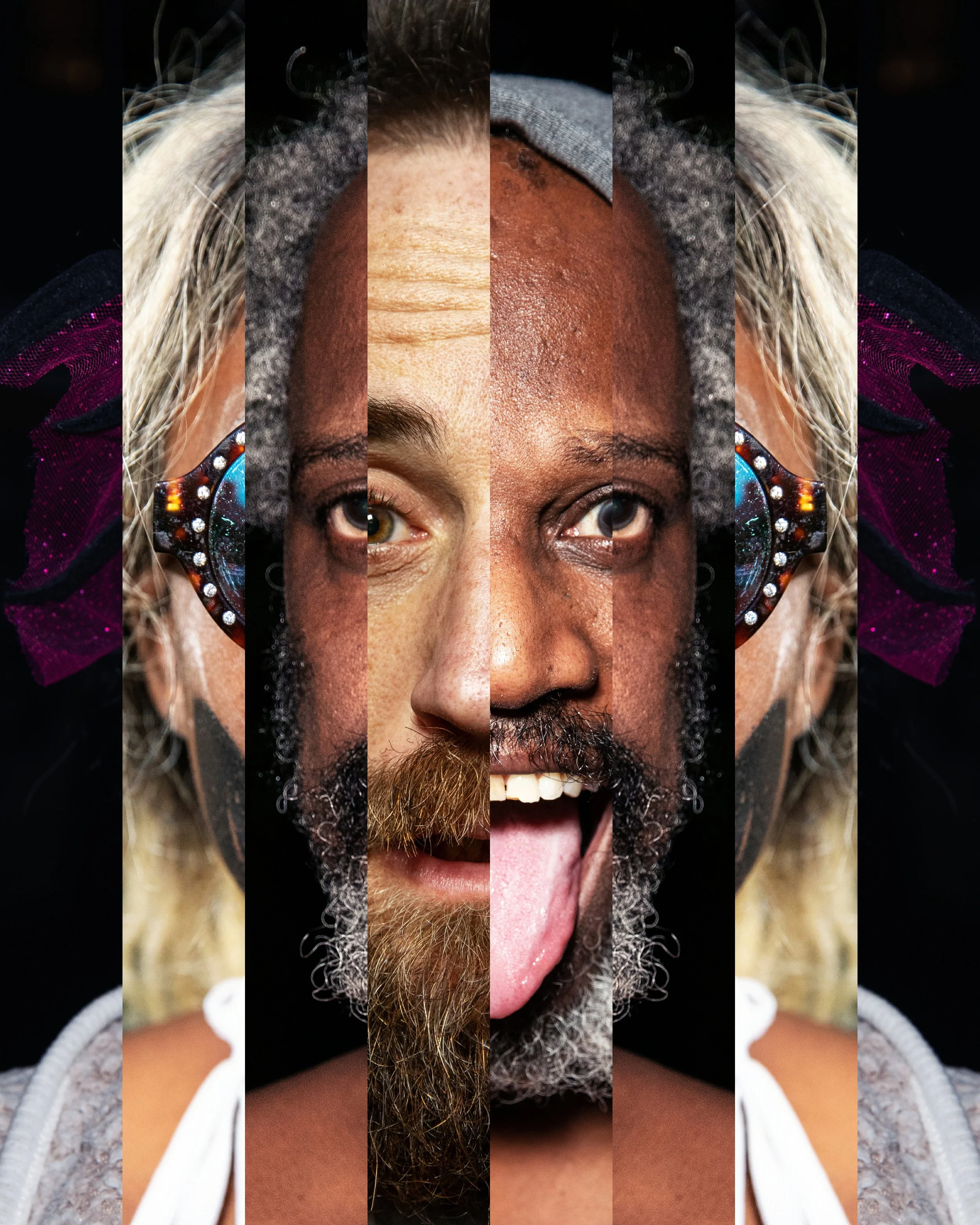
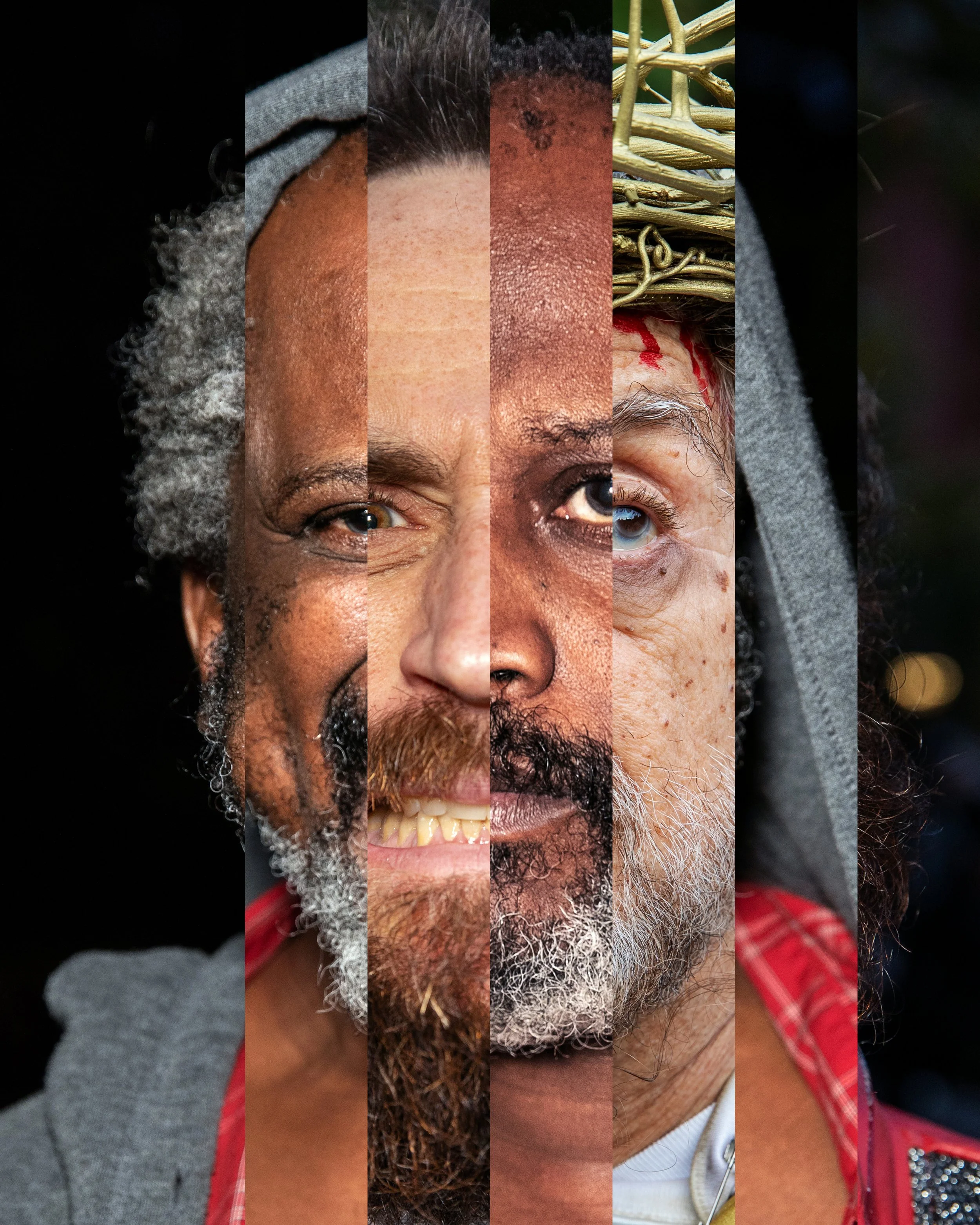
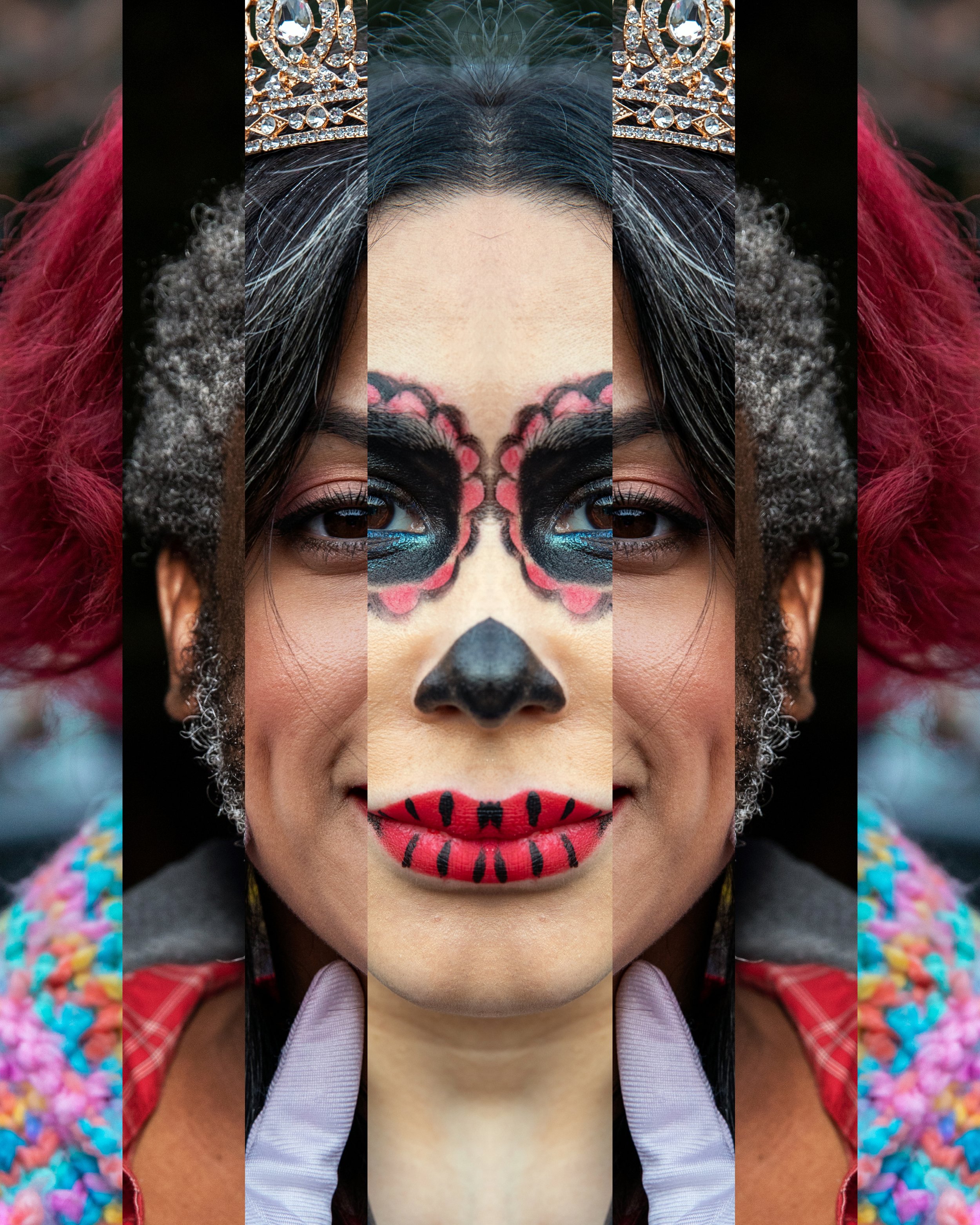
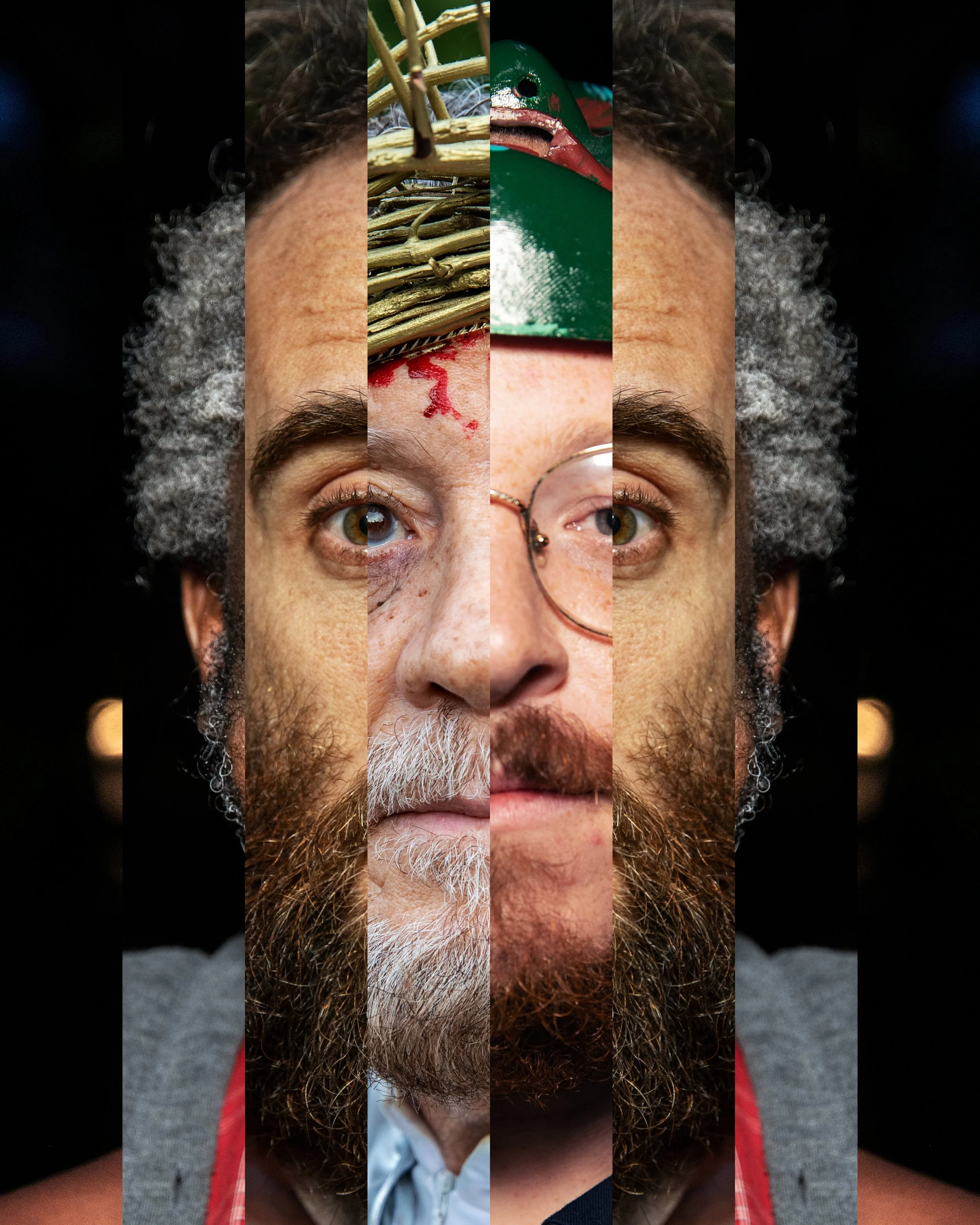
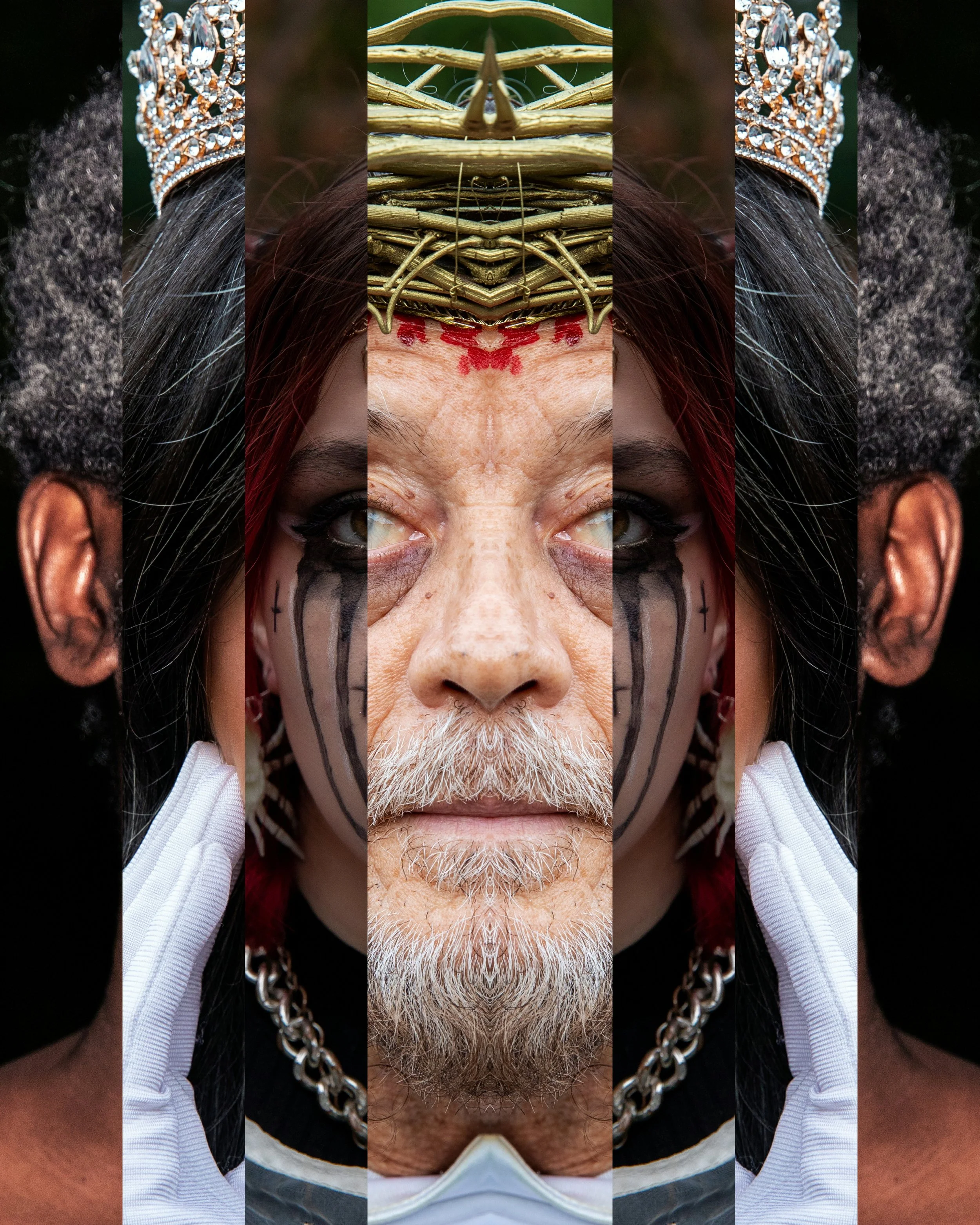
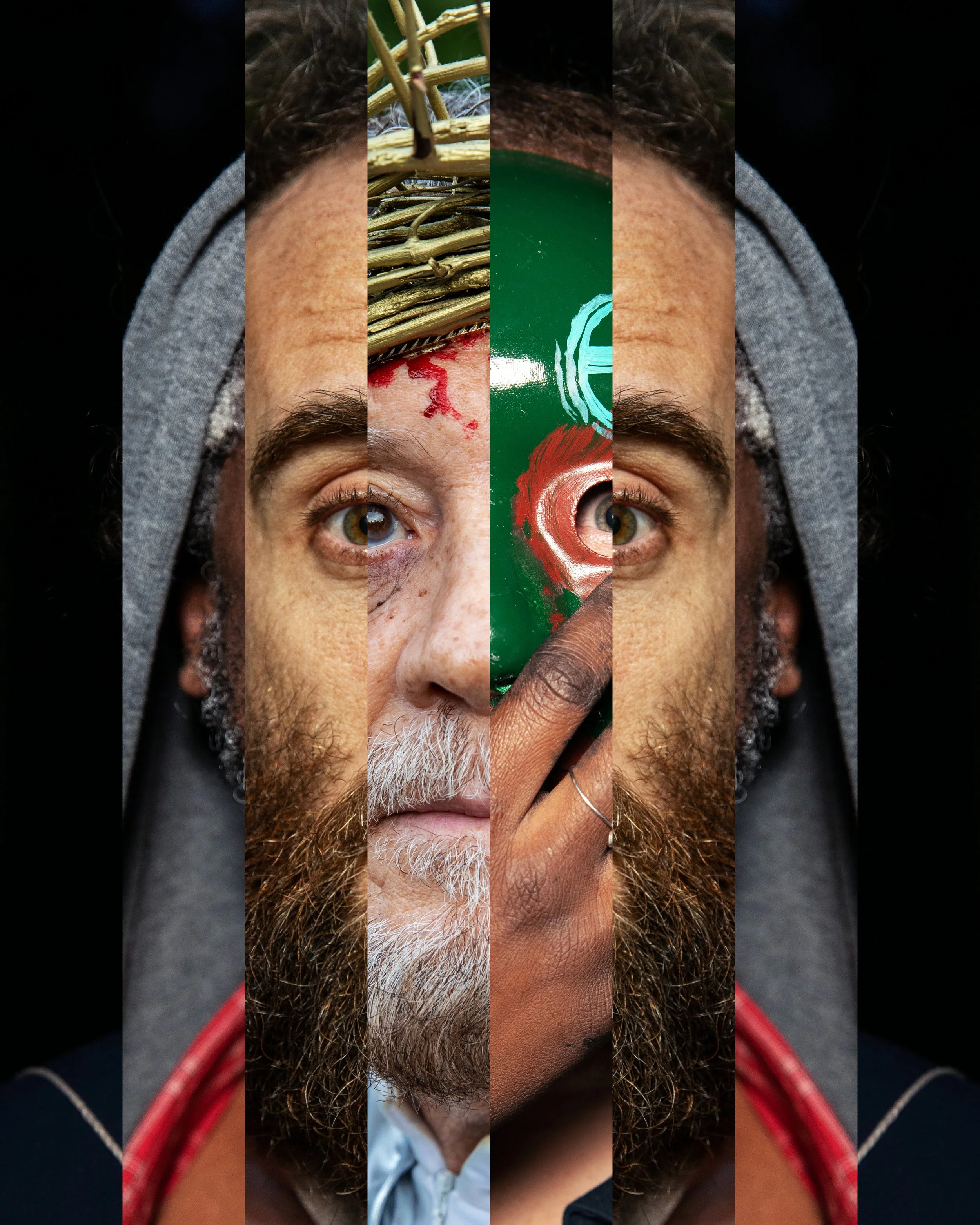
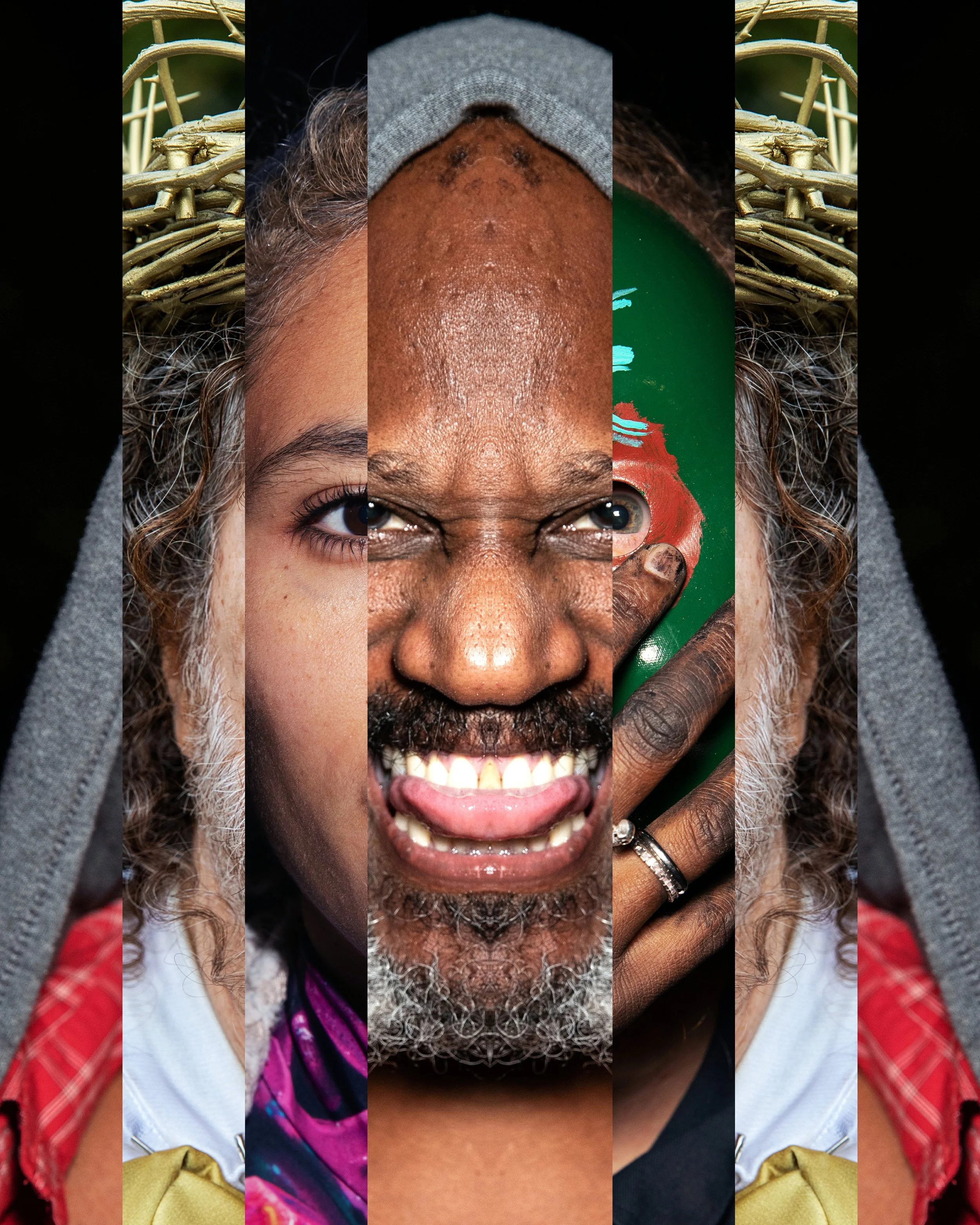
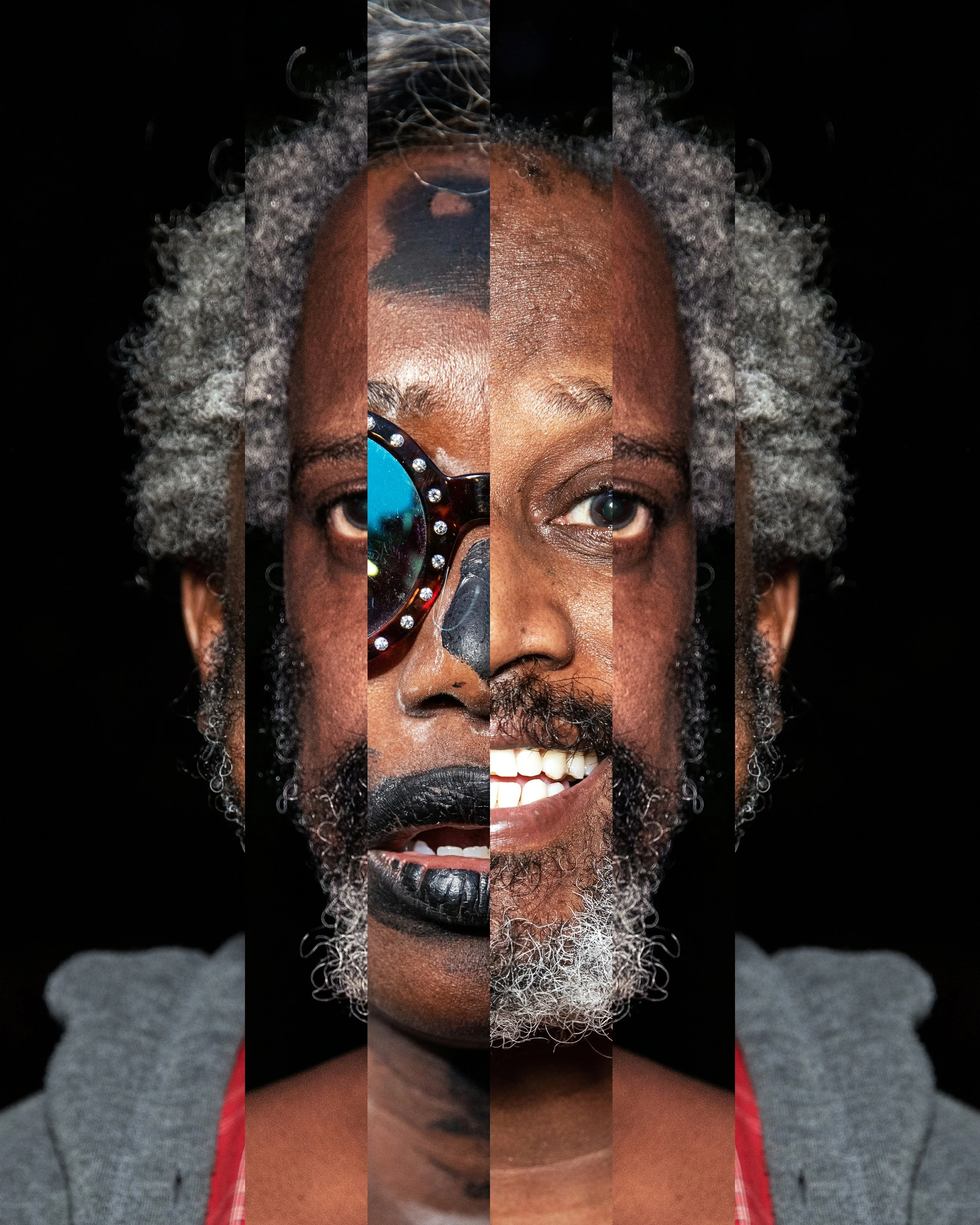
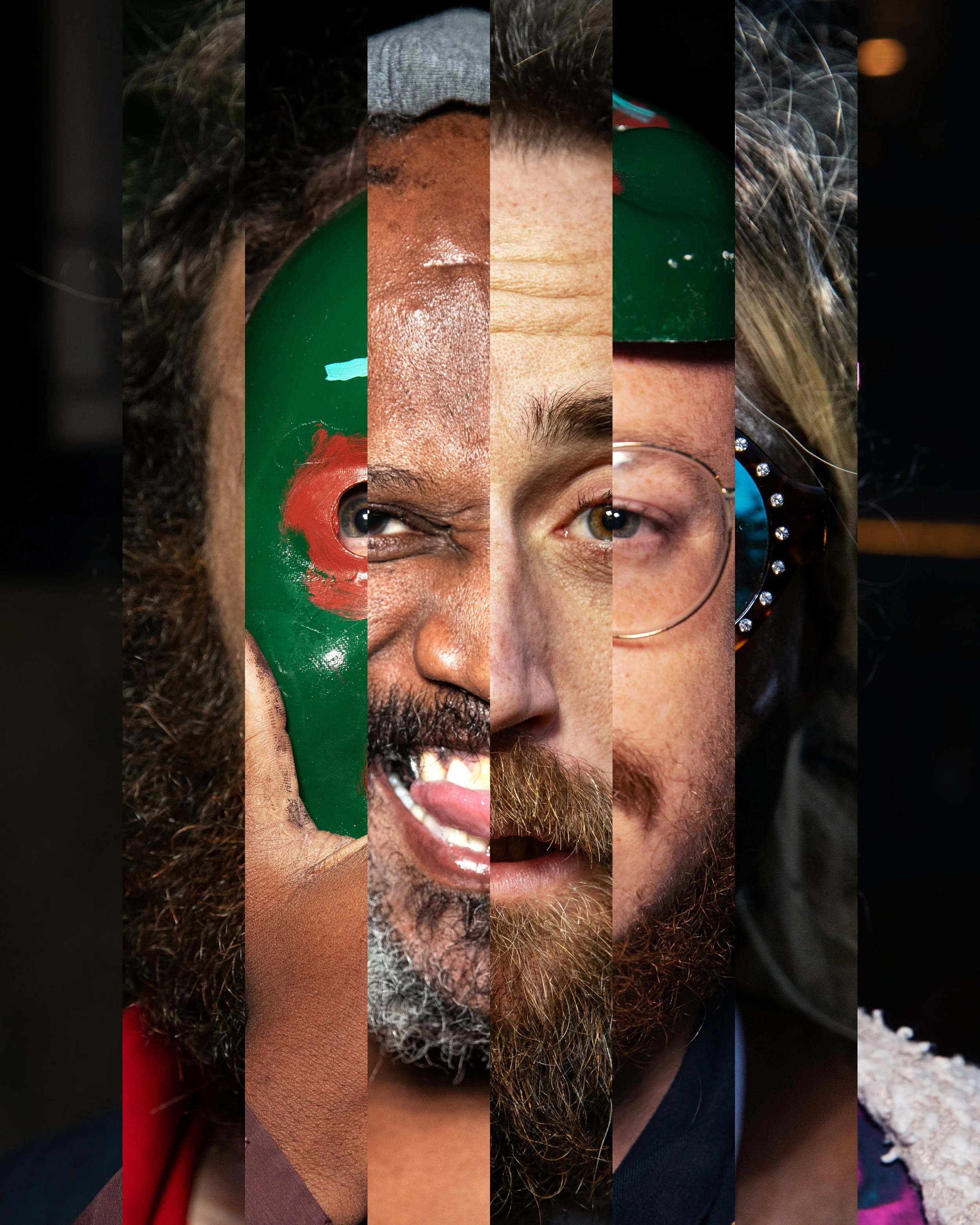
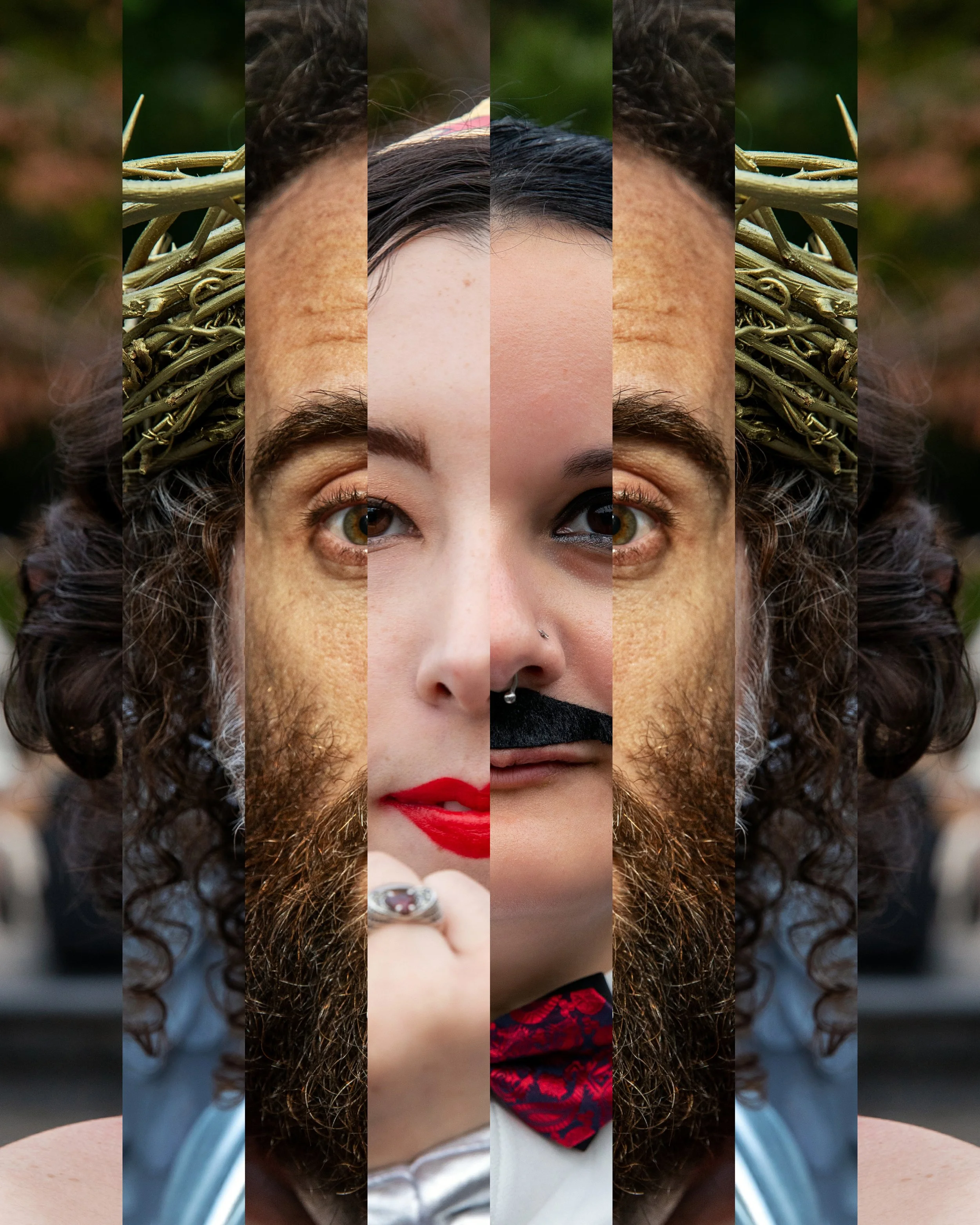
That question led him to merge portraits together, creating faces that belonged to no one. The results proved something surprising: emotional impact doesn't require a single, identifiable subject.
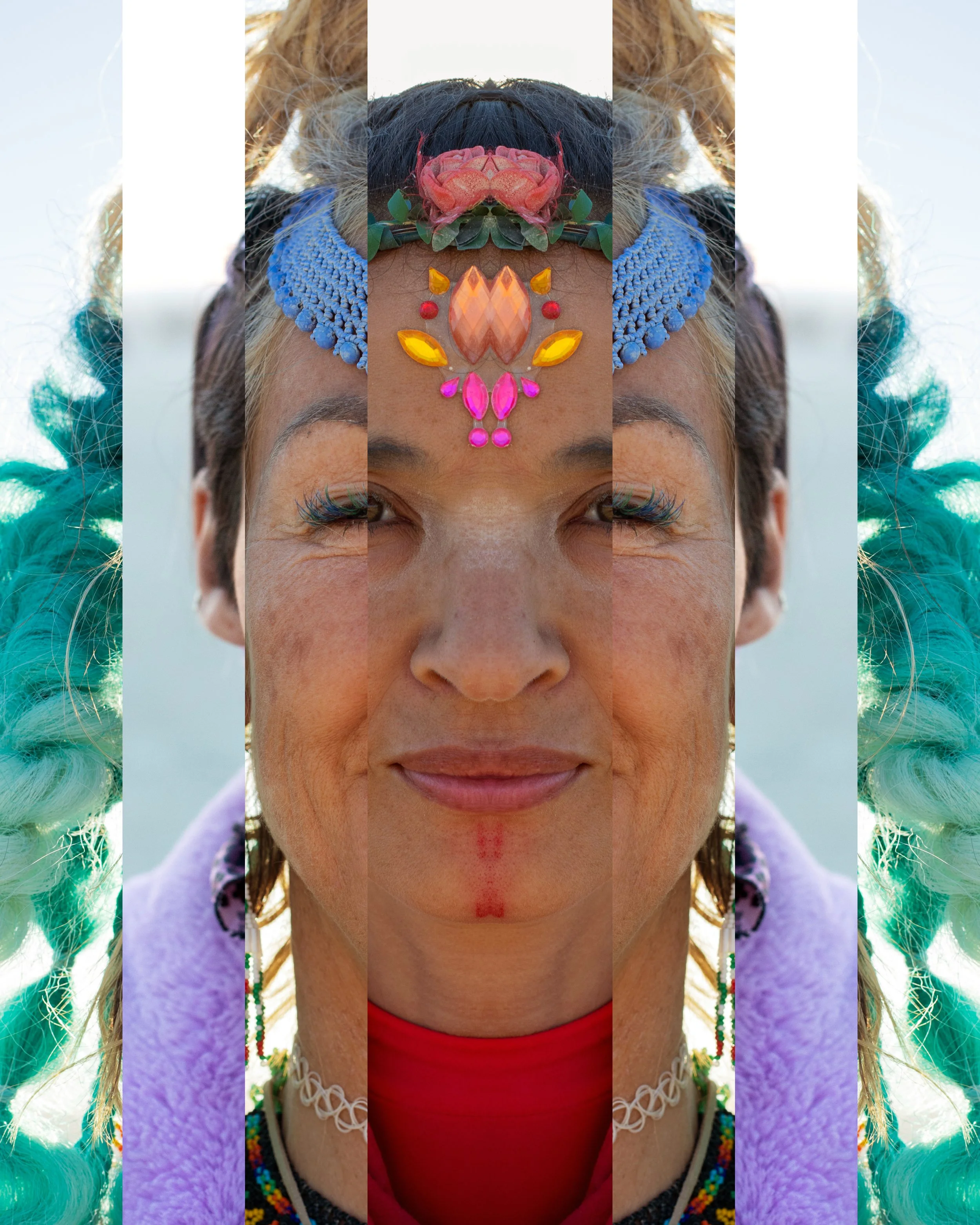
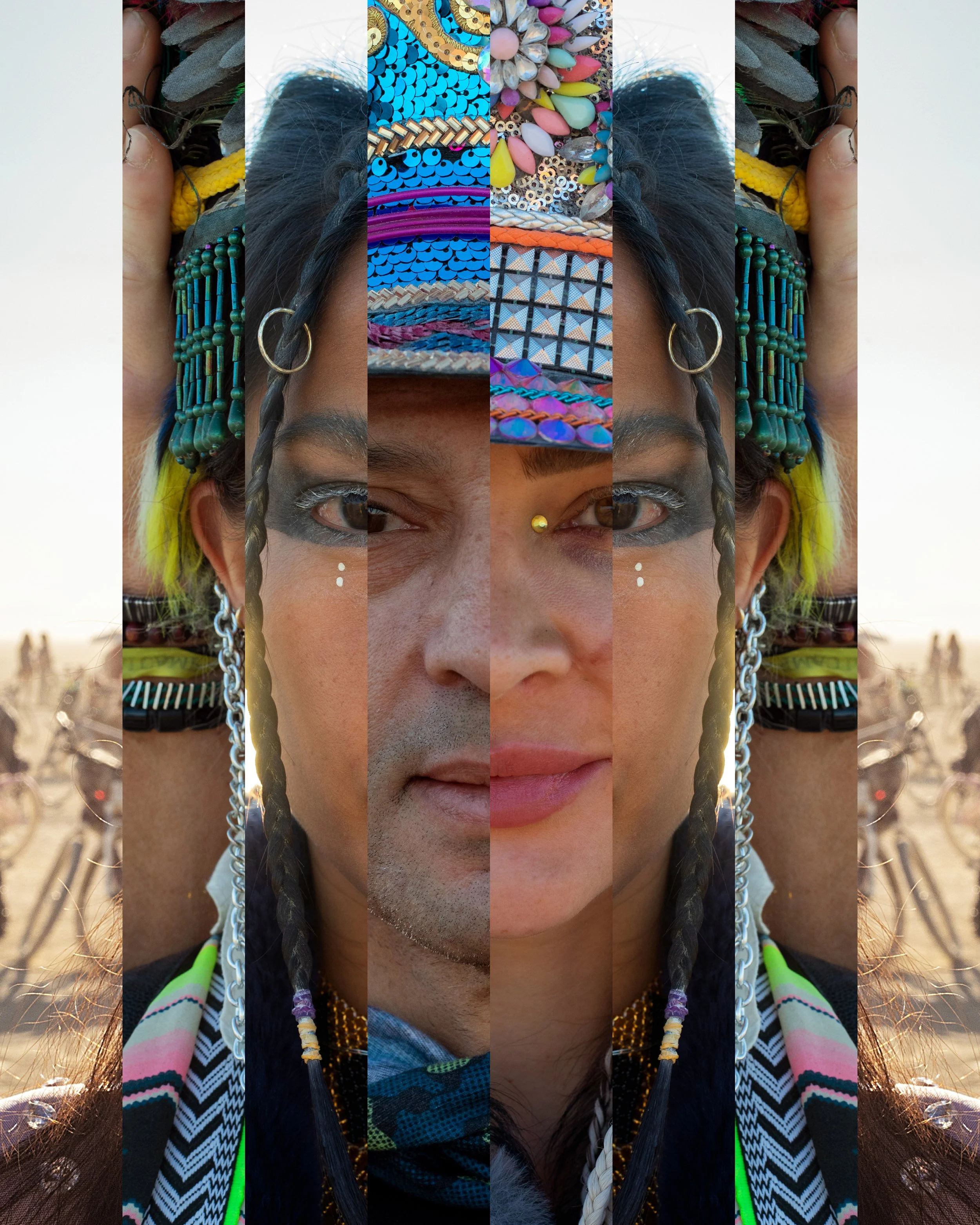
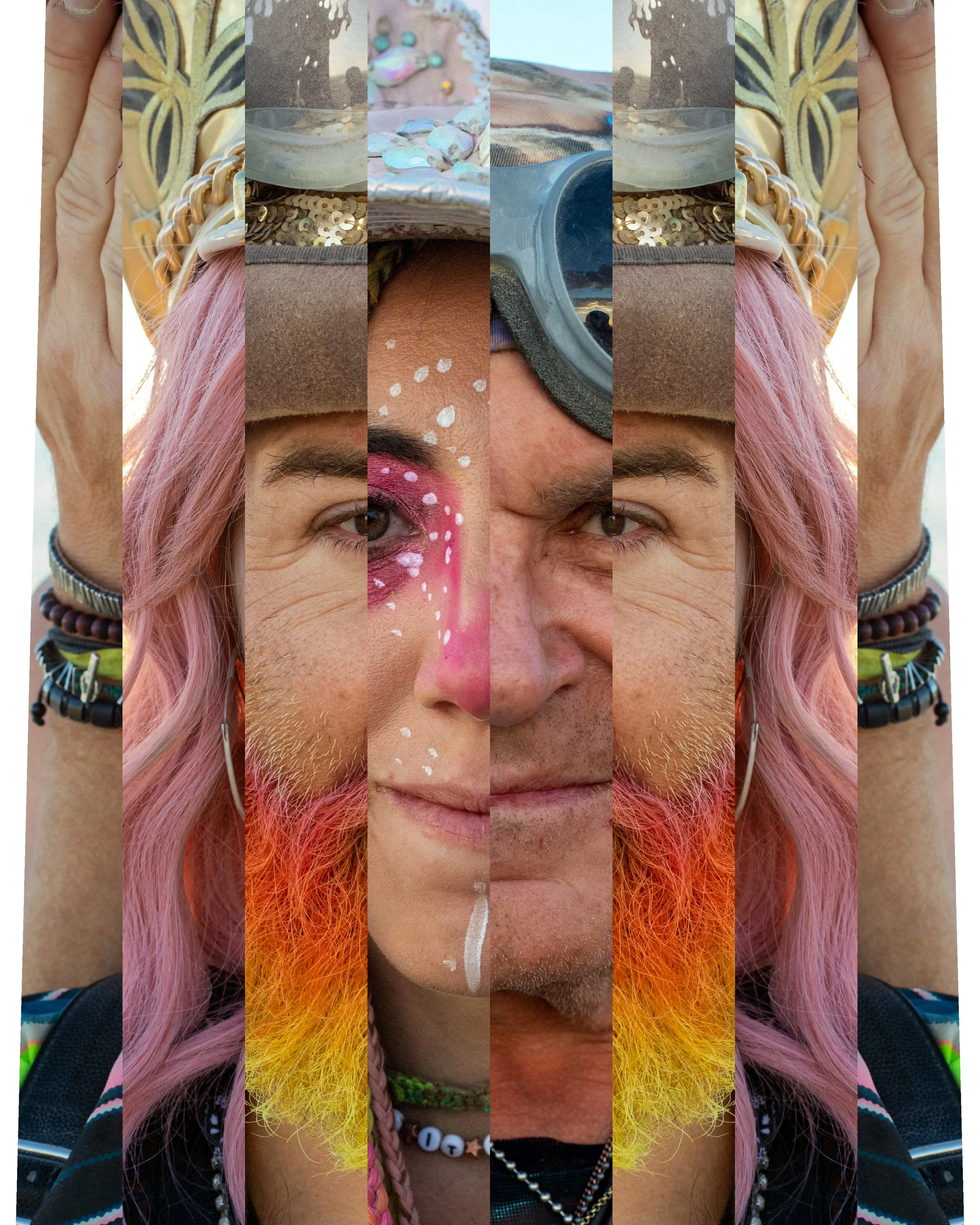
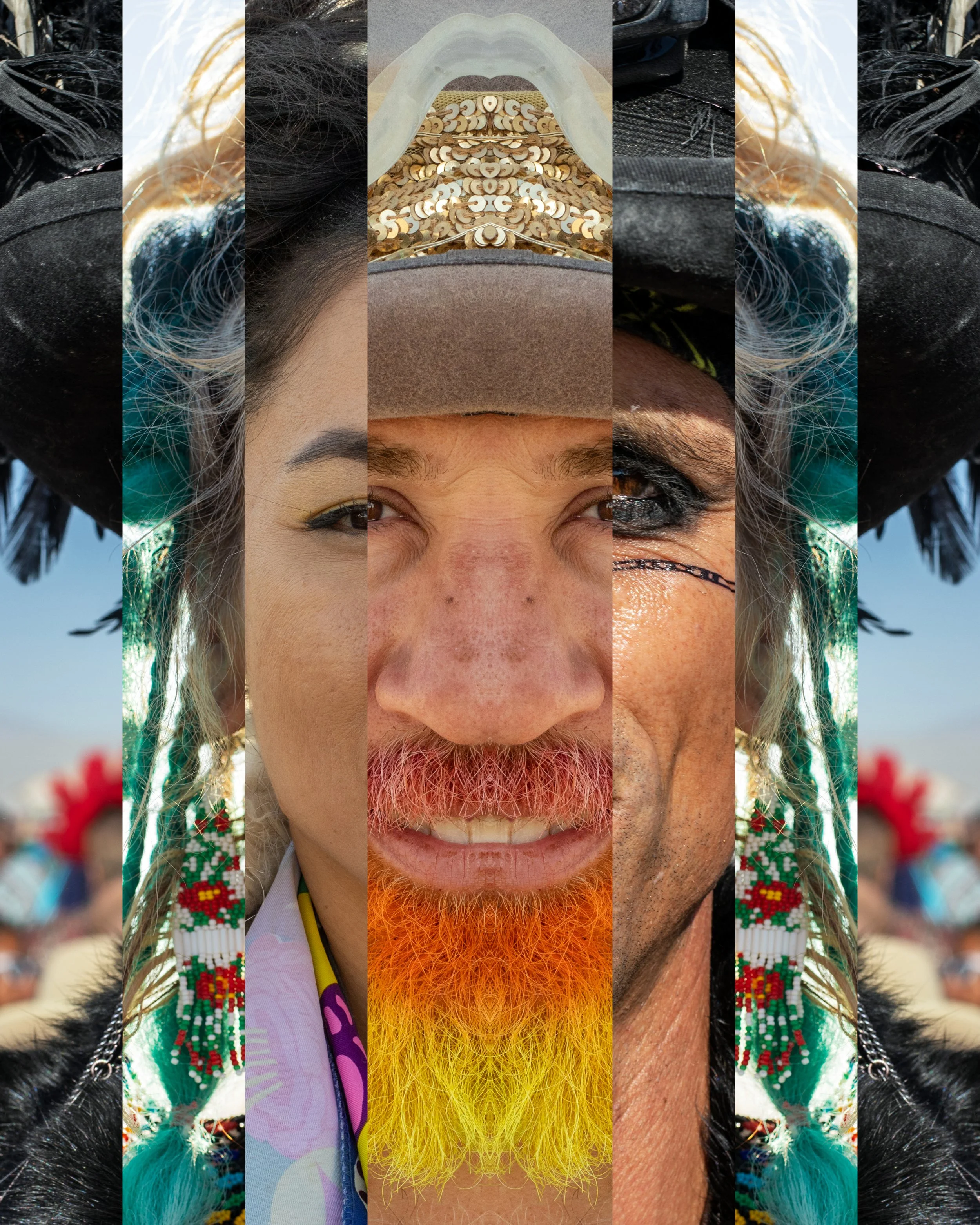
Combinator 5000 grew out of that discovery. It's a generative system that recombines thousands of portraits — people photographed at festivals, gatherings, and communal spaces, each under the same neutral conditions. Kleinman no longer builds the image. He creates the conditions for it to emerge.
The resulting faces feel familiar, but belong to no one in particular. Without a specific identity to categorize, viewers often relax — meeting the image with curiosity instead of instant judgment.
"I do not construct the portraits," Kleinman says. "I create space for them to exist."
The project is still evolving — interactive kiosks, multi-location collections, and installations where faces shift with sound or silence. Each version reveals something different about how we relate to one another.
Our individuality is real. Our connection runs deeper.